Your cart (0)
Why Do Dogs Bark?
Posted September 01 2026
Many years ago, someone asked me a simple question.
“Why do dogs bark?”
Like most questions involving animals, I initially searched for an answer within behaviour and biology. I dug into territory, excitement and fear, and wondered whether the reason might be nestled somewhere within warning or protection. But the longer I thought about it, the simpler my answer became.
Dogs bark…
to be heard.
Although many years have passed, somehow that simple question never left me.
Then, one recent evening, as I lay in bed with the windows closed and the night air perfectly still, another question travelled across the neighbouring fields, through the walls and into my thoughts.
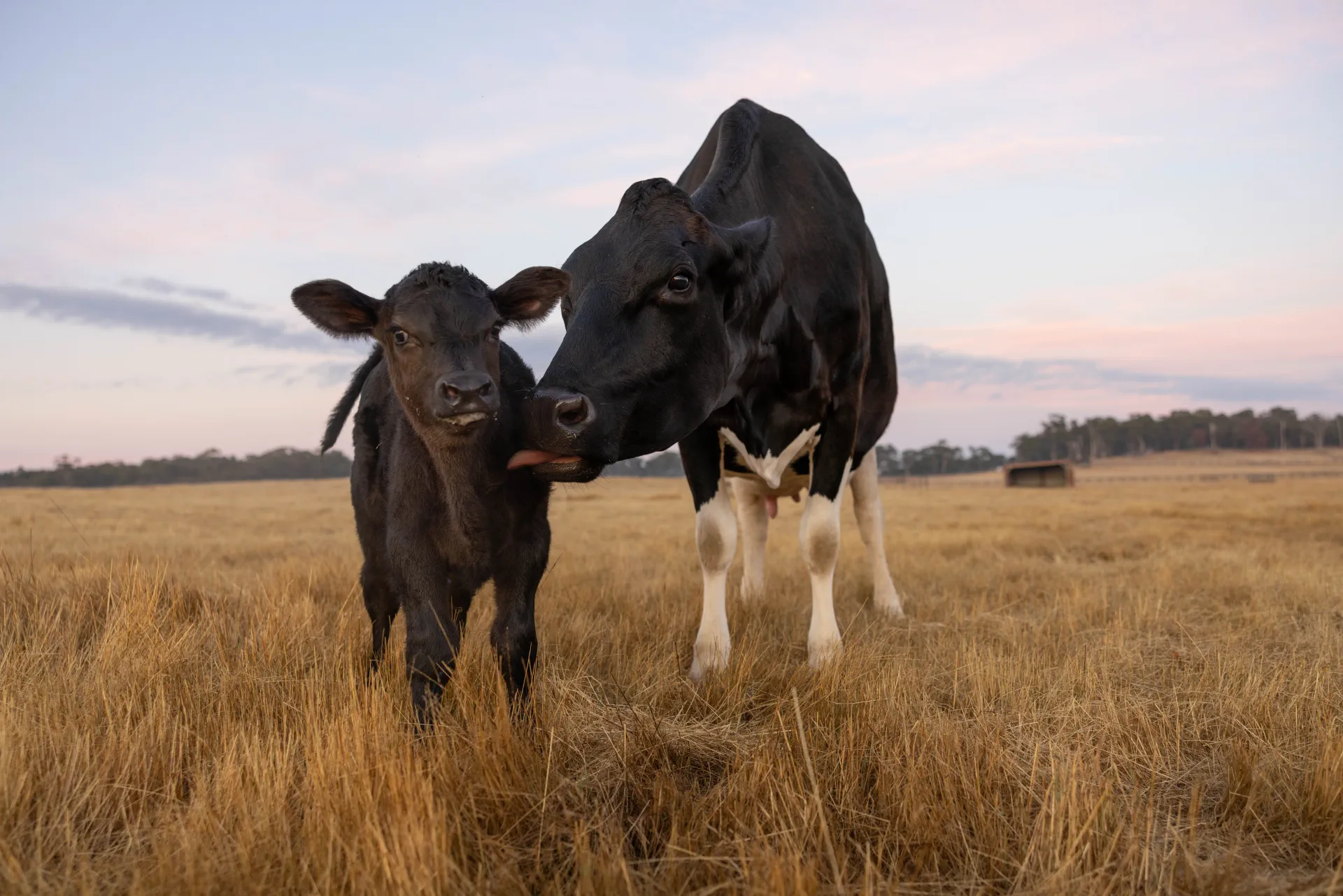
Why do cows moo?
Their calls were low and haunting, each one cutting through the darkness before another took its place. Again and again they came, until one voice became a chorus.
Why do cows moo?
I closed my eyes tightly in a feeble attempt to shut out the sound. But I already knew the answer. Their babies had been taken from them. I had heard such calls before. Yet no matter how firmly I pressed my hands over my ears, my heart continued to listen.
And somewhere within me, something wept.
Science has spent decades catching up with what attentive hearts have long understood. Cows experience complex emotions, possess distinct personalities, form deep social bonds and communicate through voices that carry both individual identity and emotional meaning. When mothers and their babies are separated, they call, search and show unmistakable signs of distress.
These are not noises drifting meaninglessly across a landscape. They are communication shaped by attachment, fear, longing and loss.
Those cows were mothers. They had carried their calves, birthed them, cleaned them, fed them, guarded them and learned every detail of who they were. Then, according to a timetable not of their making, their babies were taken for reasons they could not comprehend.
Perhaps they were to be sold. Perhaps they were destined for slaughter. Wherever they were going, the mothers remained behind with bodies still primed to nurture them and minds still searching for their return.
And in their cries we find a truth: motherhood does not end at the boundary of our species. Nor does it end when a gate closes.
Or when a payment is received.
The dairy industry itself has shown us how swiftly the bond between a cow and her newborn forms. Even when separated within hours of birth, mothers and their babies may call and search for one another. And when they have been permitted months together, as more commonly occurs when the animals are bred for meat, that separation can carry the weight of a relationship given longer to deepen.
Such is the price of having been permitted to become more deeply woven into one another’s lives.
Through decades of sanctuary life, I have come to know these animals as devoted mothers and intensely social beings.
I think of Clarabelle, who had watched every calf born to her within the dairy system taken away by human hands. Pregnant when she arrived at sanctuary, she later concealed her newborn daughter, Valentine, deep within our forest, far from human eyes and hands. And this time, no one came to take her baby away.
I think, too, of every mother whose story will never be heard.
Every cow who searches a paddock, retraces familiar ground and calls into the distance for the one voice she longs to hear in reply. And as I lay there listening to my neighbours’ cows, something deeper occurred to me.
Perhaps the question is not why cows moo. Perhaps we already know.
Cows moo for many reasons, just as dogs bark for many reasons. But that night, those mothers were calling because someone mattered to them. Someone was missing, and they wanted their voices to reach across the darkness and find them.
They mooed…
to be heard.
As children, we delight in asking why animals make the sounds they do. Why do dogs bark? Why do birds sing? Why do frogs croak? Why do sheep baa? Why do cows moo?
We teach children the names of animal sounds as though correctly matching each species to its noise is enough to understand them. Yet somewhere along the road to adulthood, we stop asking what those voices might actually mean.
Or perhaps we become afraid of the answer.
We call what animals do “instinct” while reserving words such as intelligence, devotion and grief for ourselves. We hear a cow calling and reduce her voice to a moo, a simple vocalisation, as though naming the sound absolves us from considering the reason behind it.
Perhaps the better question is not, “Why do cows moo?”
It is, “What is this cow trying to tell us?”
And what might we be required to change if we truly allowed ourselves to understand the answer? Perhaps that is why it has been easier to believe animals have no voice. They surely do, and they have been using those voices all along.
You can hear them in welcome and warning, pleasure and protest and belonging and bereavement. The tragedy is that we have mistaken our refusal to listen for their inability to speak.
I no longer wonder why cows moo.
I wonder why we are still not listening.
More Posts
Trottings Story
Through Their Eyes
As a little girl, I didn't know words like sentience, cognition or agency. I simply knew there was someone looking back at me.
Read more
Tribute
Some Days
Some Days came to us as a three-day-old Jersey calf. A sweet, doe-eyed beauty born into the dairy industry with a partially formed front leg that could neither serve her nor safely remain.
Read more
Tribute
Death of an Artist
This morning, an artist left our world. His name was Rembrandt. And although he never held a brush, he coloured our days in ways we are only now beginning to understand.
Read more
Tribute
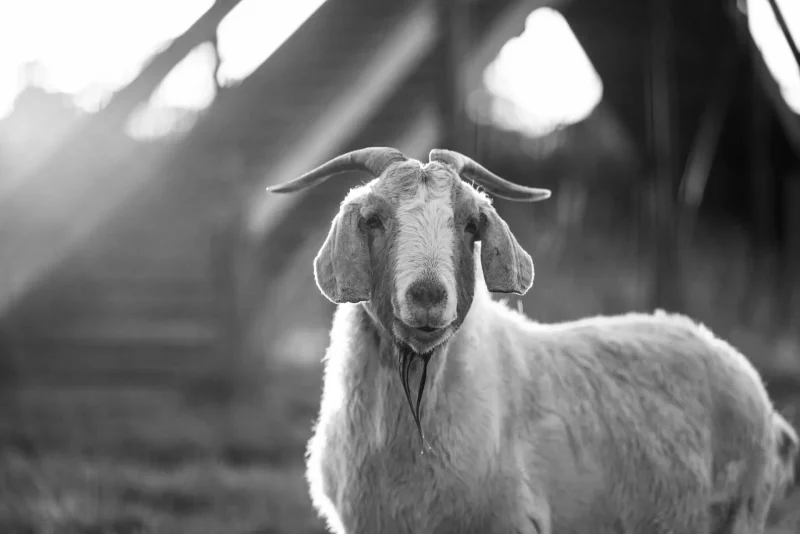
A Goat Named Heather
It was a bitter winter's day when Heather first arrived at Edgar's Mission, and one of winter's finest when she left. Which seems only fitting, for somewhere between those two days our Heather became magnificently, unmistakably herself.
Read more
Tribute
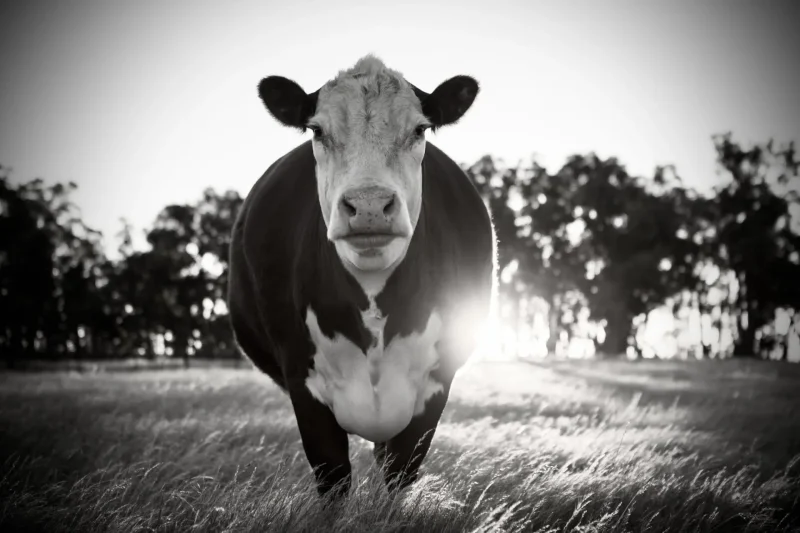
When Rainbows Come
There is a word for what happens when something can no longer hold itself towards the light. It wilts. And once, a very long time ago, Blossom did.
Read more
Trottings Story
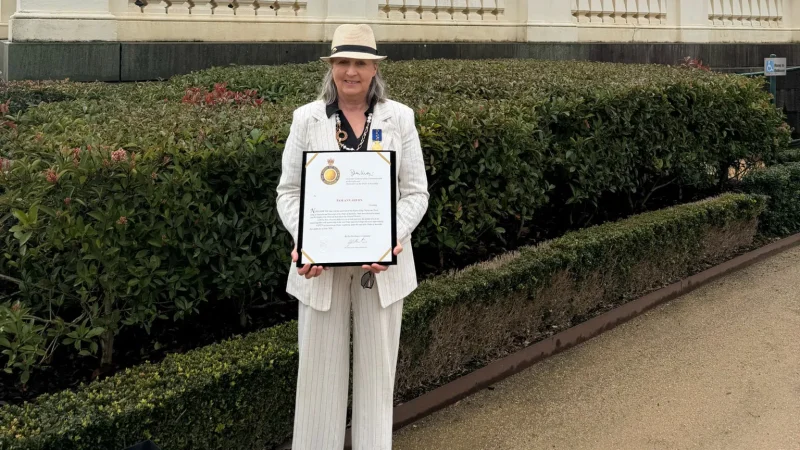
When Someone Falls
On Tuesday, I stood within the grandeur of Government House in Melbourne for the investiture at which I received my Medal of the Order of Australia. And while I was in awe of the architecture, moved by the occasion and feeling a tad out of place in my fancy clothes, there was, strangely, a sense of belonging too.
Read more
Trottings Story
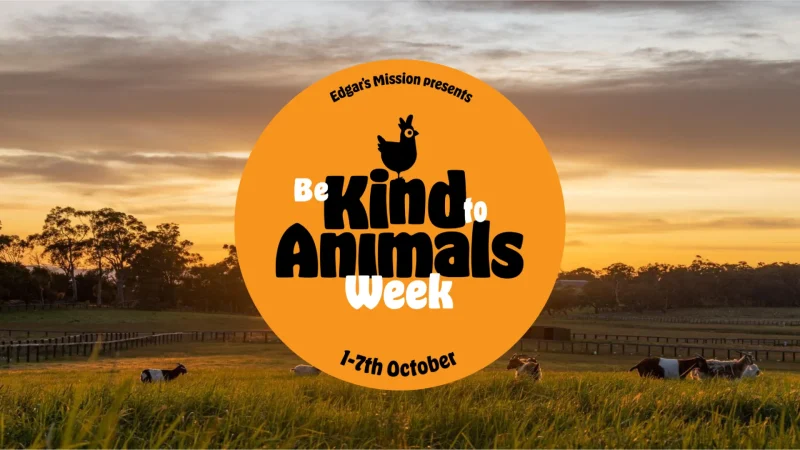
A Kinder World Starts With Us
From 1–7 October, Be Kind to Animals Week invites us all to think about the animals with whom we share our lives and our world, while World Animal Day on 4 October brings people across the globe together in a shared vision for a kinder world for animals.
Read more
Tribute
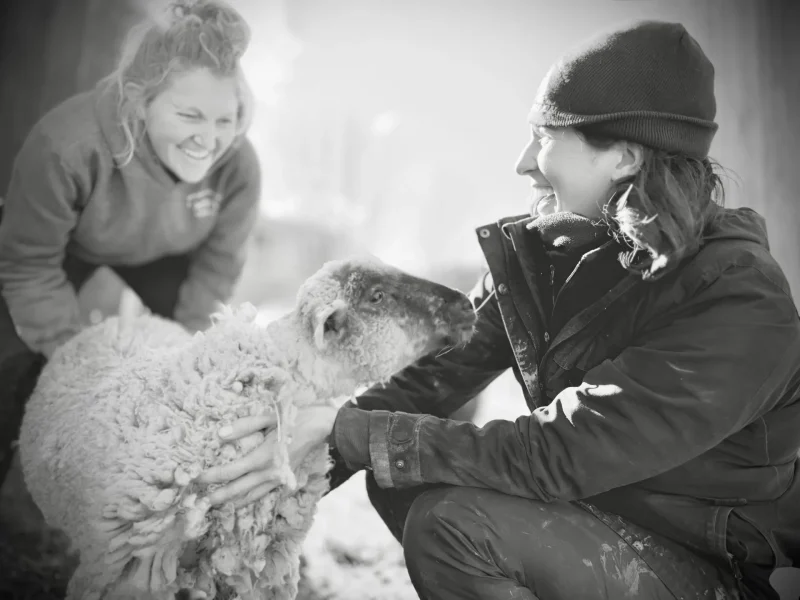
What Verity Knew
There was something about the way Verity looked at me. She would tilt her head ever so slightly to one side, fix those gentle eyes upon mine, and hold them there with a knowing that seemed almost impossible to explain.
Read more
Tribute
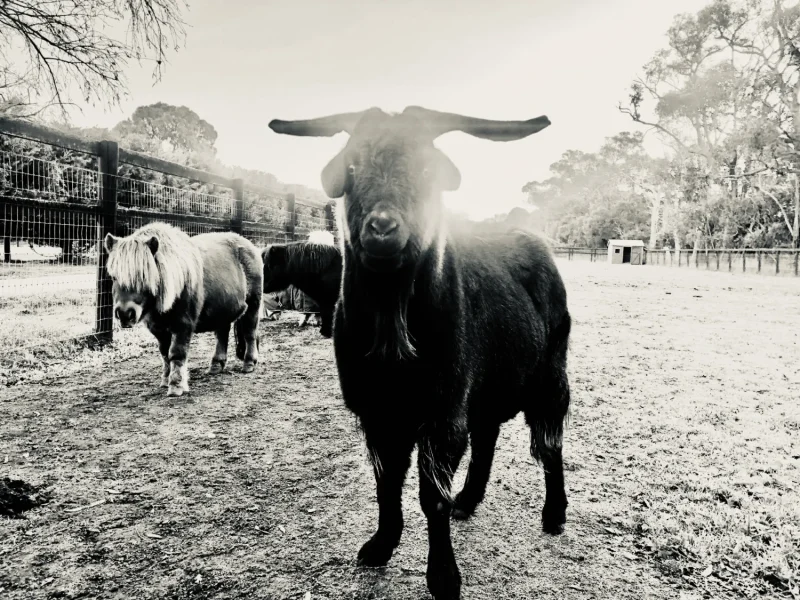
Of Course You Did
A Tribute to a Pony-Loving Goat Named Herb
Read more
Trottings Story
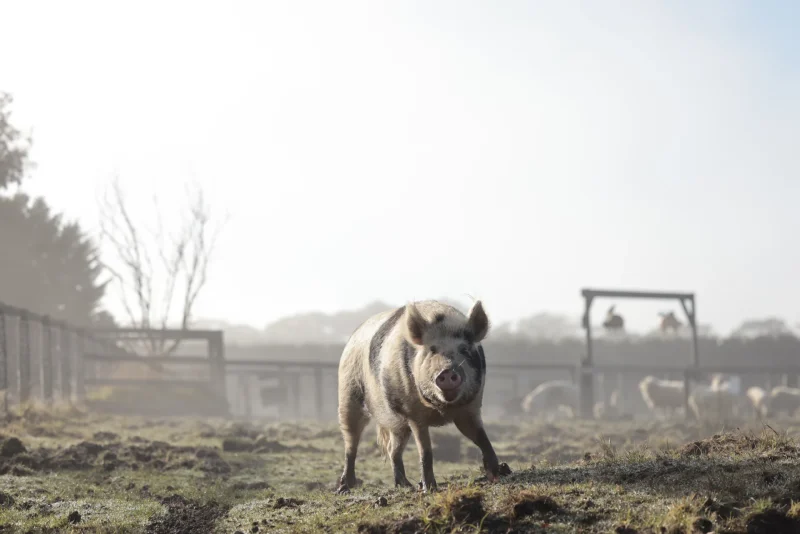
A Heartbeat, Whether Named or Not
This morning, I was reminded that the measure of a living being is not found in whether we have named them, understood them or even noticed them.
Read more