Your cart (0)
A Heartbeat, Whether Named or Not
Posted July 29 2026
This morning, I was reminded that the measure of a living being is not found in whether we have named them, understood them or even noticed them.
But simply in their desire to live.
And this time, the lesson was waiting in my bathroom sink.
An insect, whose species I did not know, had taken up residence there. Just a small being, easily overlooked, easily dismissed and just as easily swept from the edges of a human day. Yesterday, they were a quiet presence who caught my eye, but this morning, I found them lying entirely still in the porcelain basin.
That’s how they caught my heart.
The weight of a single droplet of water, I thought, had claimed their life. But as I gently lifted their tiny body, they moved.
And there it was. That ancient, urgent message all living beings carry.
I’m not done yet.
So I placed them ever so carefully on the dry bathmat and waited. And slowly but surely, life returned. First one leg shifted, then another wriggled, until the smallest tremor of existence announced itself against the vastness of the world that was my bathroom. And there I was, cheering them on in all their gossamer glory.
Their heartbeat, whether I could hear it or not, was beating for the very same reason mine does.
To live.
It is in these private moments that the world asks something large of us. It asks us to look at the power we possess and decide what we will do with it. Because our greatest power does not lie in domination, convenience or even our infinite capacity to turn away.
It lies in our refusal, just like that little insect, to give up.
We see it when we refuse to give up on the lamb too weak to stand, in the bird whose lungs still gasp against the terrible place she has left behind and in the cow deemed worthless by an industry that has taken almost everything from her but hope.
And yes, even here.
In a tiny insect lying motionless in a sink.
To truly see another being beyond their form changes something within us. It does not only ask us to see them differently; it asks us to see ourselves differently too. It forces us to question when, and why, we became the hurters and the harmers, when all along we were capable of being the helpers and the healers.
So much harm in this world happens at a distance, whether by habit or by proxy. It lives beneath the surface of everyday life, so normalised it is barely noticed. Animals suffer behind walls, inside systems, under labels and within stories we inherited but rarely questioned.
But “normal” does not mean compassionate and “tradition” does not mean right.
And legality should never be the measure of kindness.
Perhaps what it means to be human is not found in what we can take, but in what we can spare.
A thought, a moment or a life.
And perhaps what it means to be humane is found entirely within the pause: the hand that reaches gently, the breath that steadies and the choice to place life, however small, back onto soft ground.
For in our communion with animals there lives a language beyond words, one spoken in trembling legs, soft eyes, quiet trust and the smallest will to live. It is a language that asks not for our pity, but our recognition.
And when we learn to listen, truly listen, existence becomes not only bearable, but incredibly beautiful.
So breathe good into the world where you can. It does not have to be loud or grand.
Just enough for someone, somewhere, to feel it and remember they are still here.
More Posts
Trottings Story
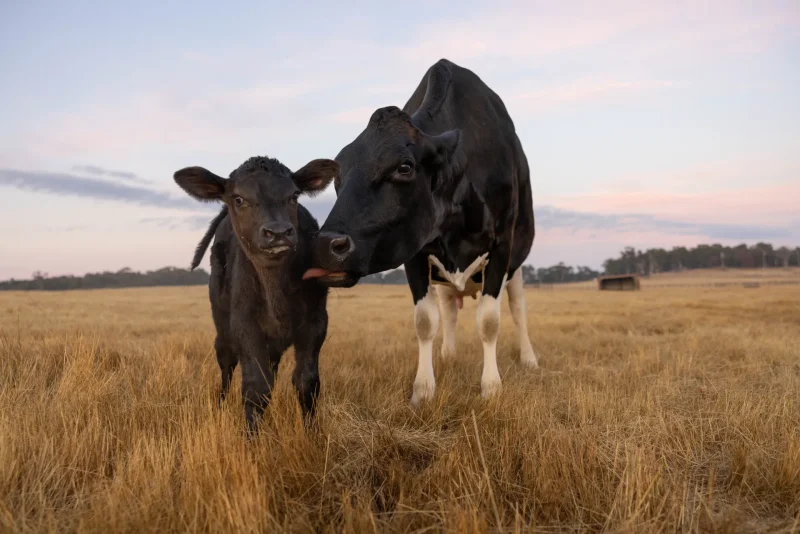
Why Do Dogs Bark?
Many years ago, someone asked me a simple question. “Why do dogs bark?”
Read more
Trottings Story
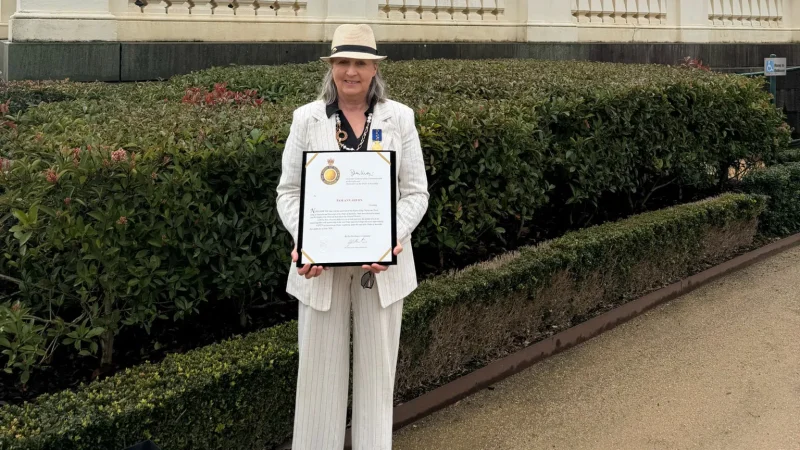
When Someone Falls
On Tuesday, I stood within the grandeur of Government House in Melbourne for the investiture at which I received my Medal of the Order of Australia. And while I was in awe of the architecture, moved by the occasion and feeling a tad out of place in my fancy clothes, there was, strangely, a sense of belonging too.
Read more
Trottings Story
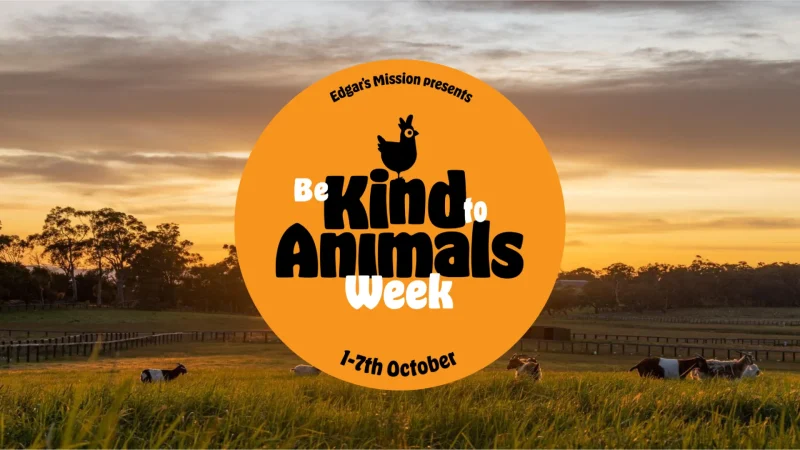
A Kinder World Starts With Us
From 1–7 October, Be Kind to Animals Week invites us all to think about the animals with whom we share our lives and our world, while World Animal Day on 4 October brings people across the globe together in a shared vision for a kinder world for animals.
Read more
Tribute
What Verity Knew
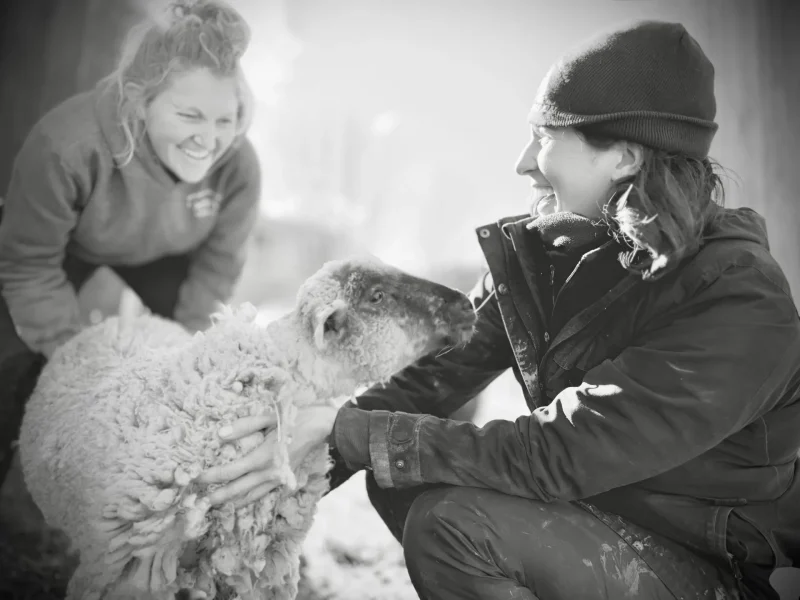
There was something about the way Verity looked at me. She would tilt her head ever so slightly to one side, fix those gentle eyes upon mine, and hold them there with a knowing that seemed almost impossible to explain.
Read more
Tribute
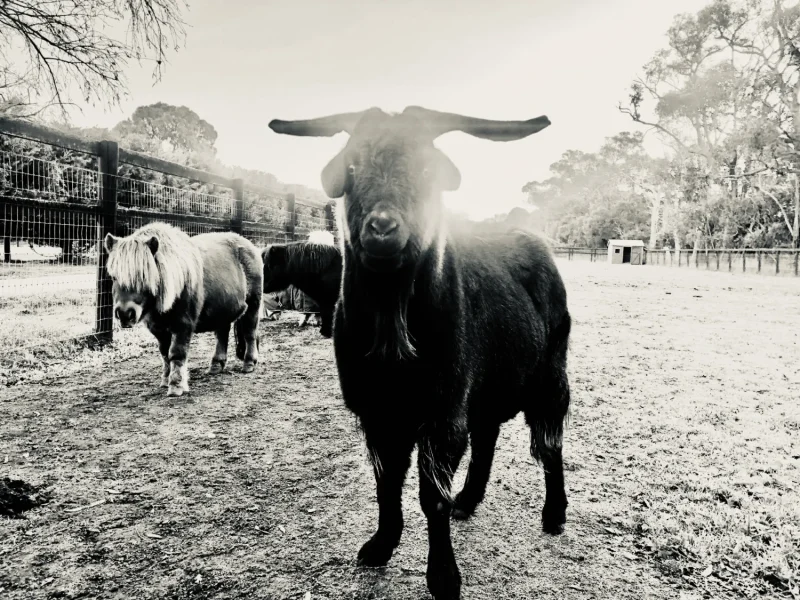
Of Course You Did
A Tribute to a Pony-Loving Goat Named Herb
Read more
Tribute
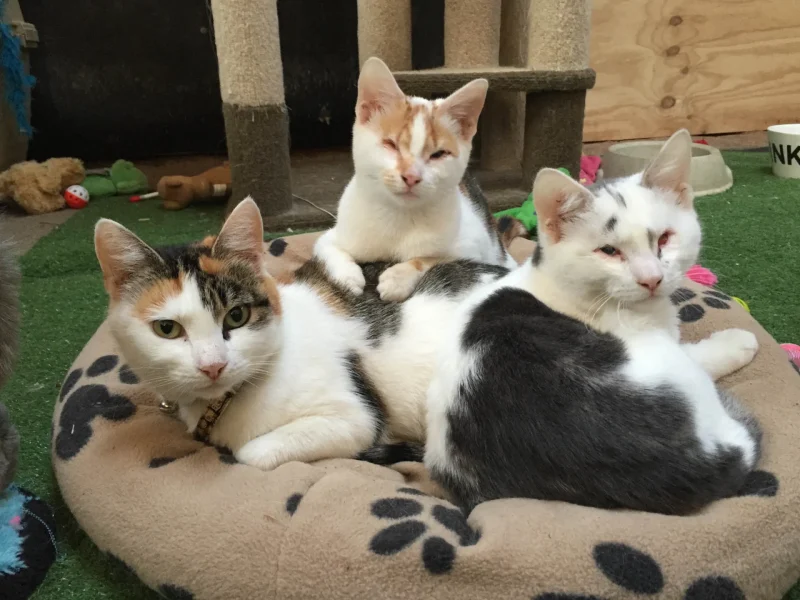
The Nine Lives of Ohana
Ohana means family. Family means nobody gets left behind or forgotten.
Read more
Tribute
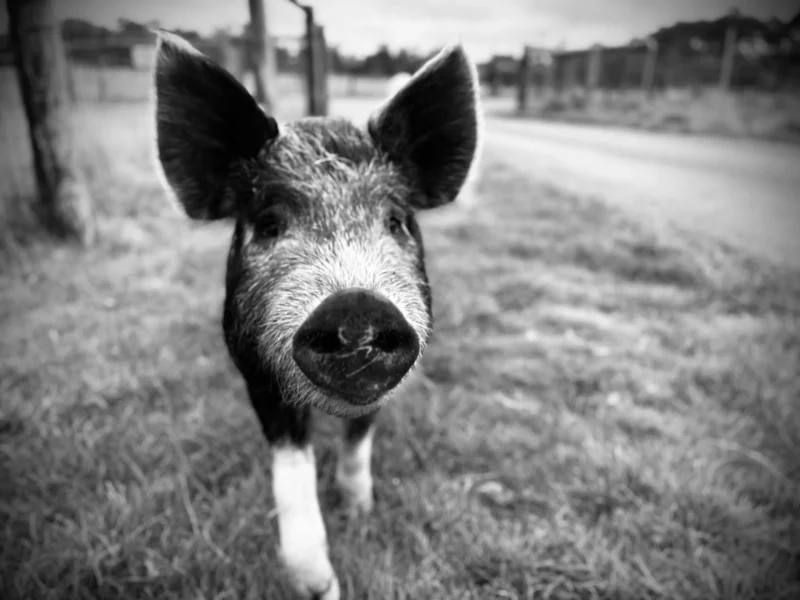
Remembering Twinkle Dot
Twinkle Dot did not exactly burst into the world. Born in February of 2025, one of eight tiny piglets to rescued mumma Petunia, he was the smallest.
Read more
Tribute
Ruby Year One
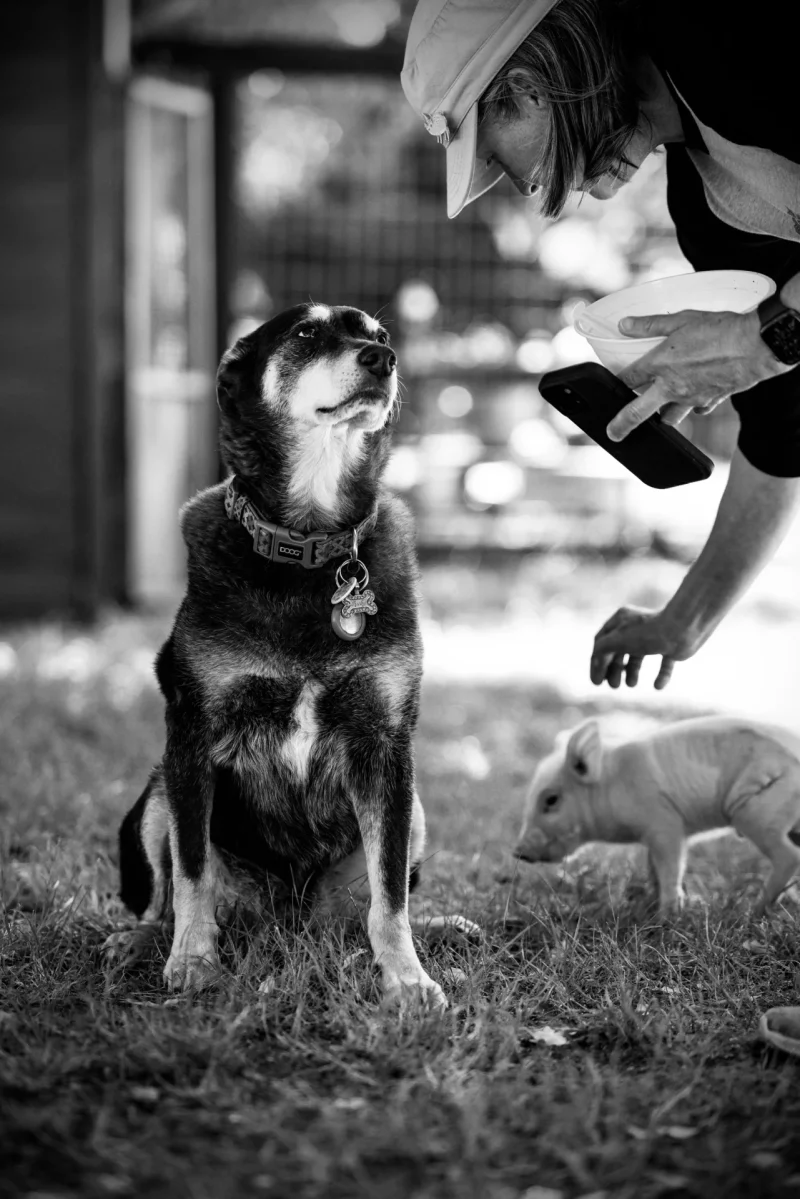
Today marks an entire lap around the sun without you. And although the sun shines no more for you, because of you it shines so brightly for so many.
Read more
Tribute
In Her Own Time
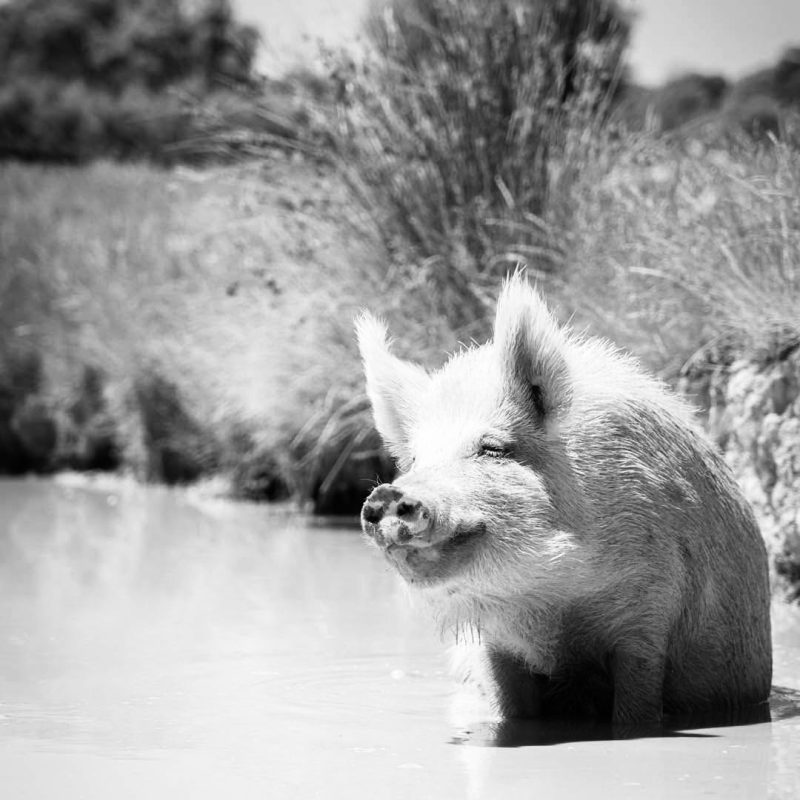
There are some animals whose lives become so entwined with our own that it becomes difficult to remember a world before them. Polly was one of those animals.
Read more
Trottings Story
Power
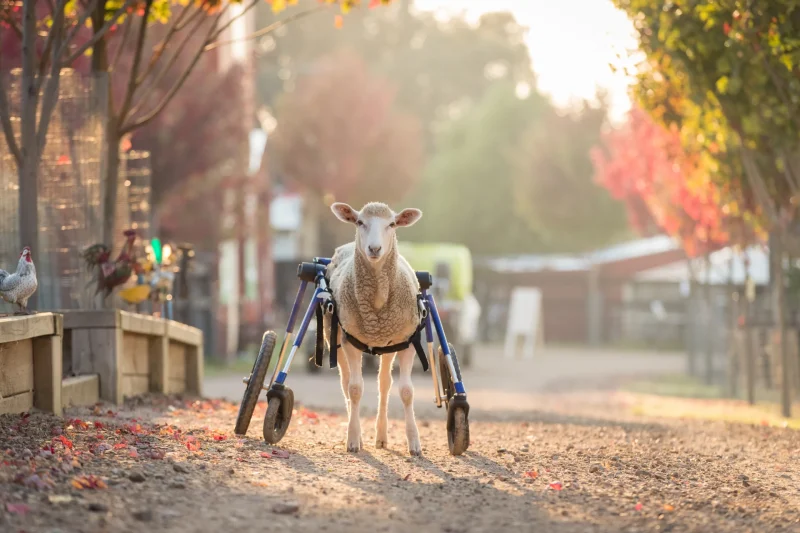
It is a word we so often associate with force, with dominance and with the ability to bend the world to our will. But recently, a heartbreaking image of a pig named Imogen forced me to look at power through a completely different lens.
Read more