Your cart (0)
Edgar’s Mission Passport
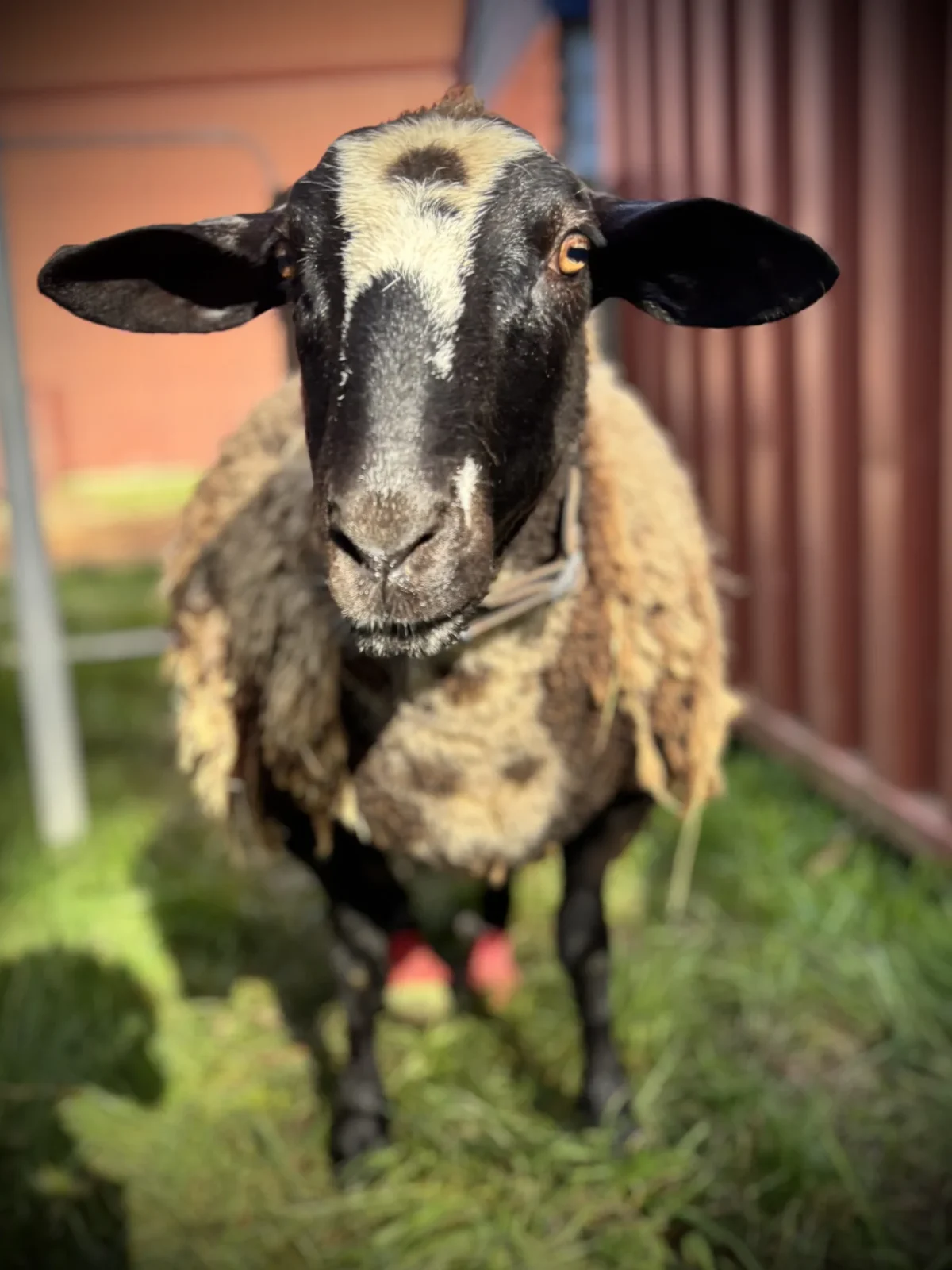
Willuna
Willuna
2 May 2026
Sheep
Herd comfort
Each other
Never forgotten
Certified true likeness
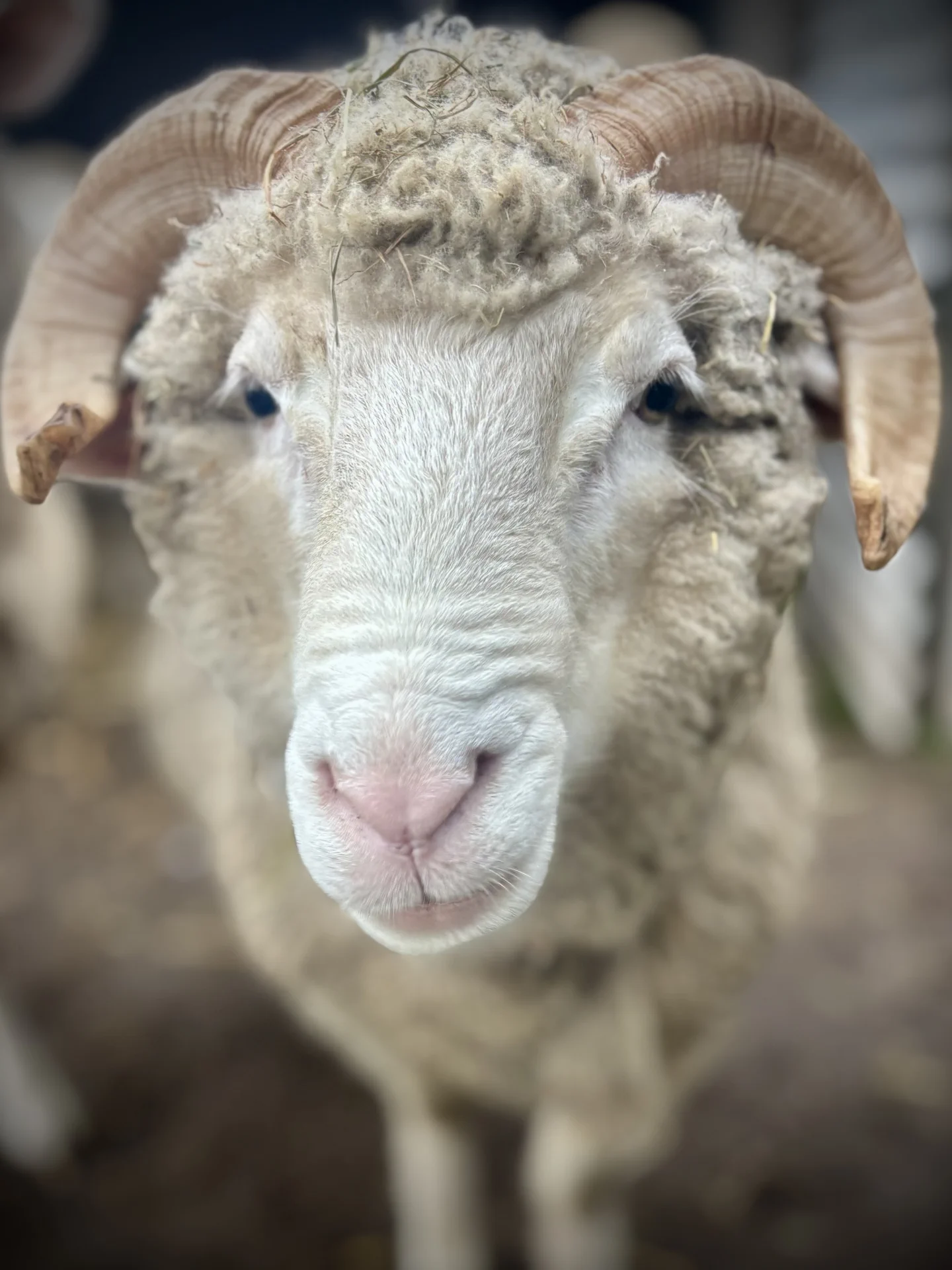

Willuna’s story
Learning Care
Updated June 27, 2026
Some stories are harder to tell than others.
Not because they lack importance, but because they ask us to hold more than one truth at the same time.
Recently, we learned of a sanctuary that had changed hands. The new custodians stepped forward with open hearts and the very best of intentions. They wanted to do right by the animals in their care.
And that matters.
But as is so often the case, wanting to help and knowing how to help are not always the same thing. When we arrived, it was clear how much they cared. It was also clear how much had been taken on.
Some animals were unwell. Others were underweight, while some were battling conditions that, left untreated, would only worsen. Care was inconsistent, not through neglect, but through not yet knowing.
And the animals, as they so often do, bore the weight of that gap.
Among them were sheep suffering from Barber’s Pole worm, a parasite as insidious as it is prolific. Attaching to the lining of the stomach, it feeds on blood, slowly draining its host. Left untreated, it leads to anaemia, weakness and, in many cases, death.
It is a silent thief.
It is one that requires knowledge, vigilance and timely care to keep at bay. So a plan was made and support was offered. Days later, we returned to bring some of them into our care, including some who had once been adopted to the sanctuary’s original custodians.
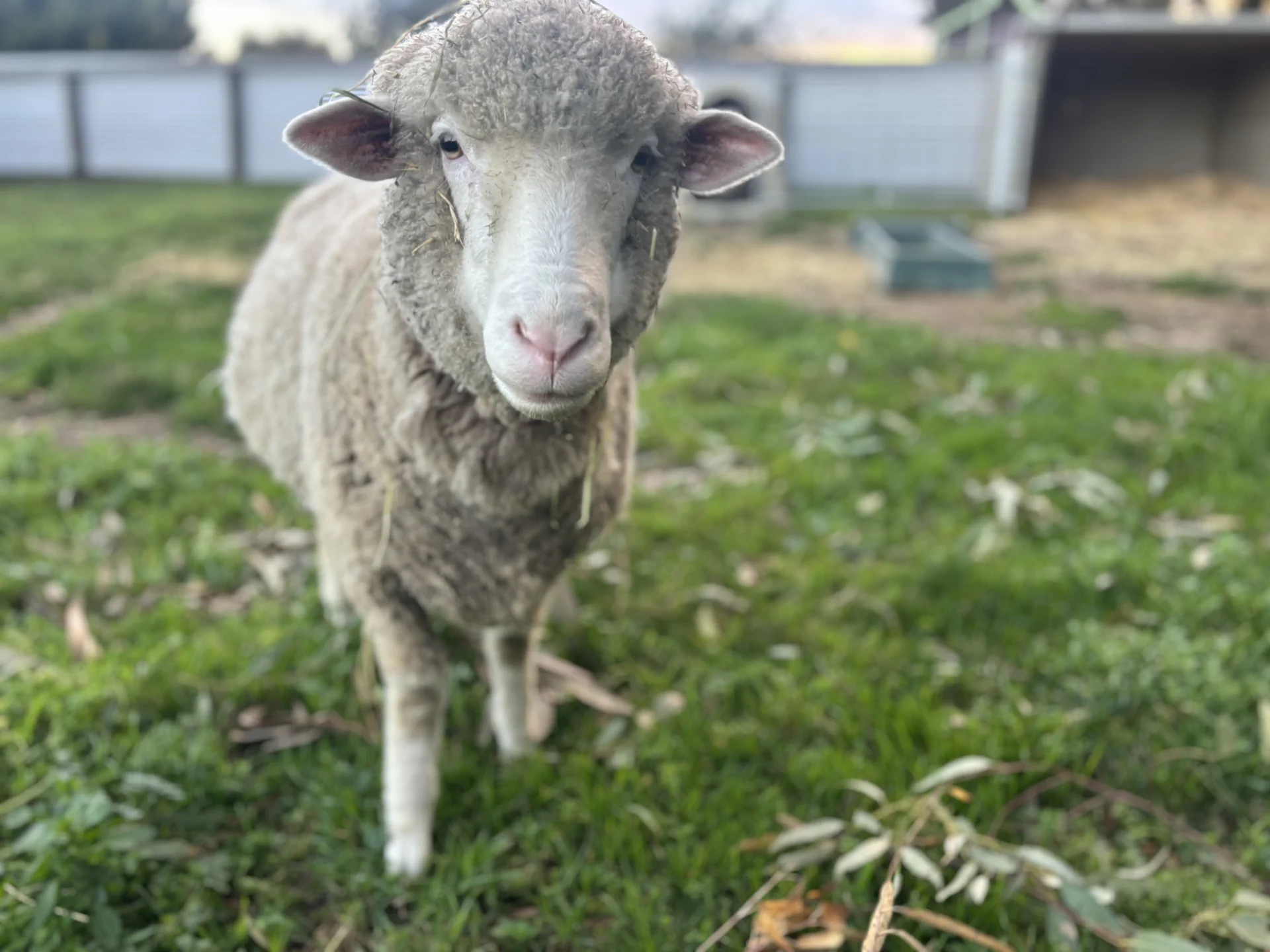
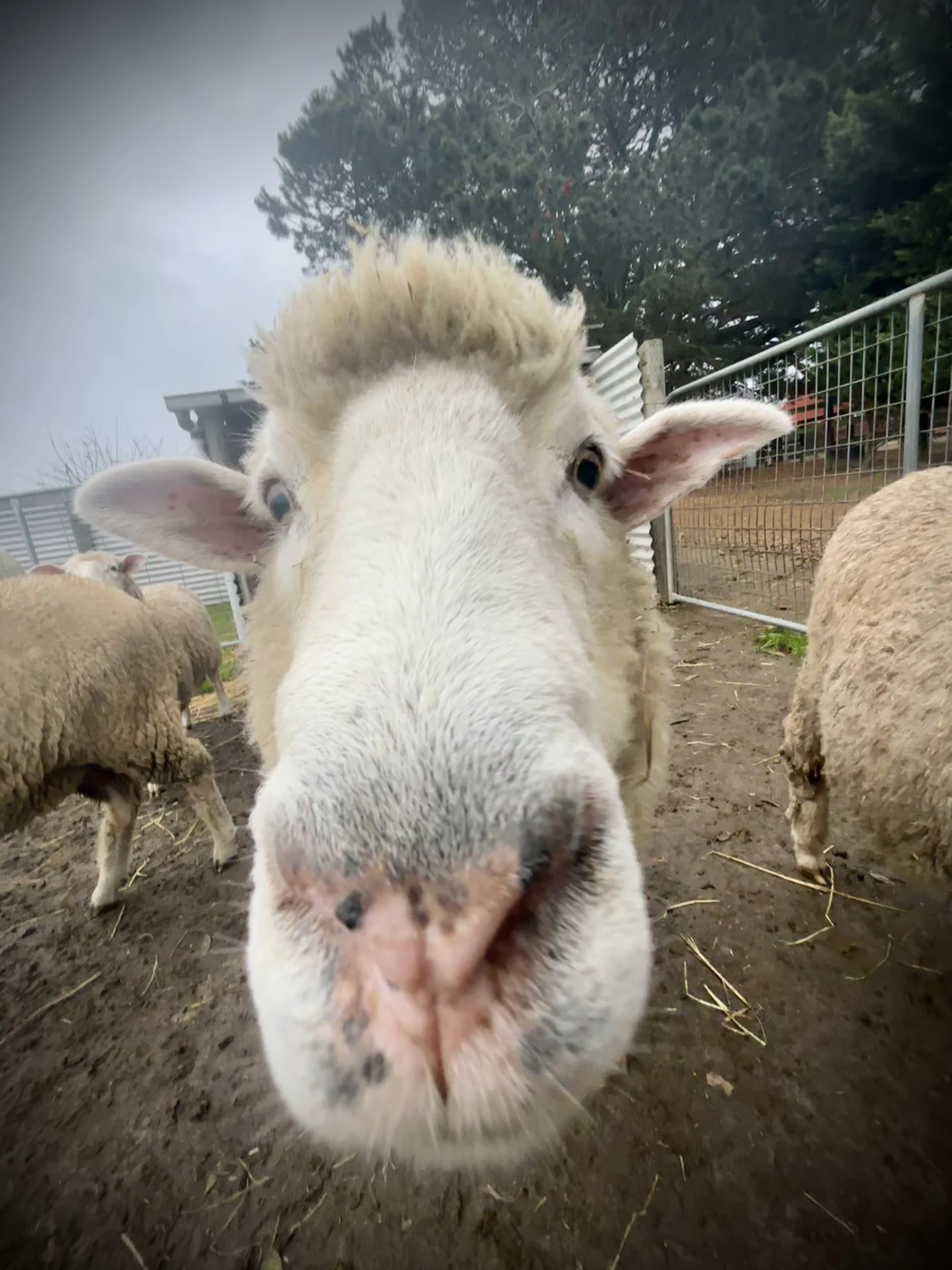
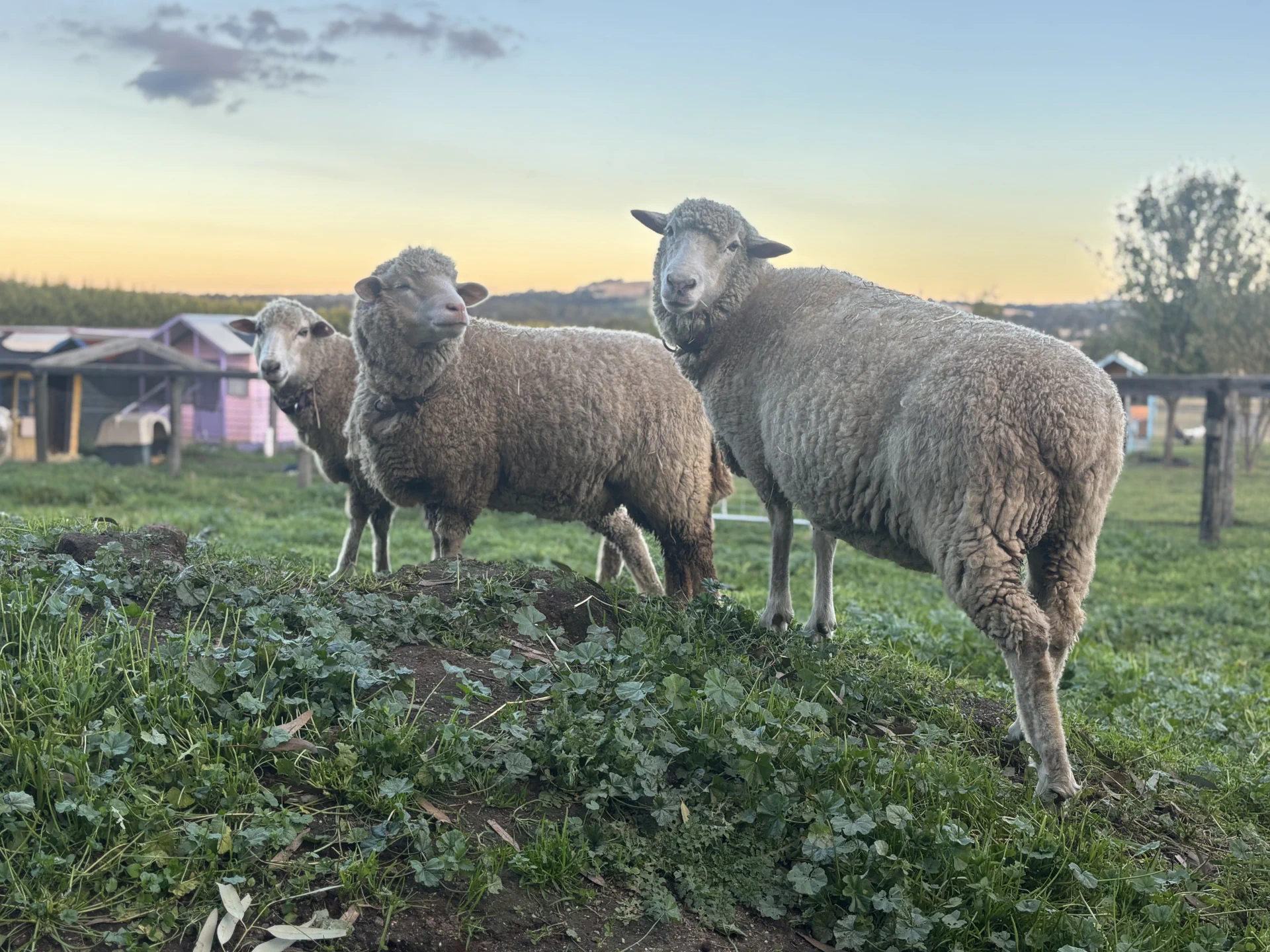
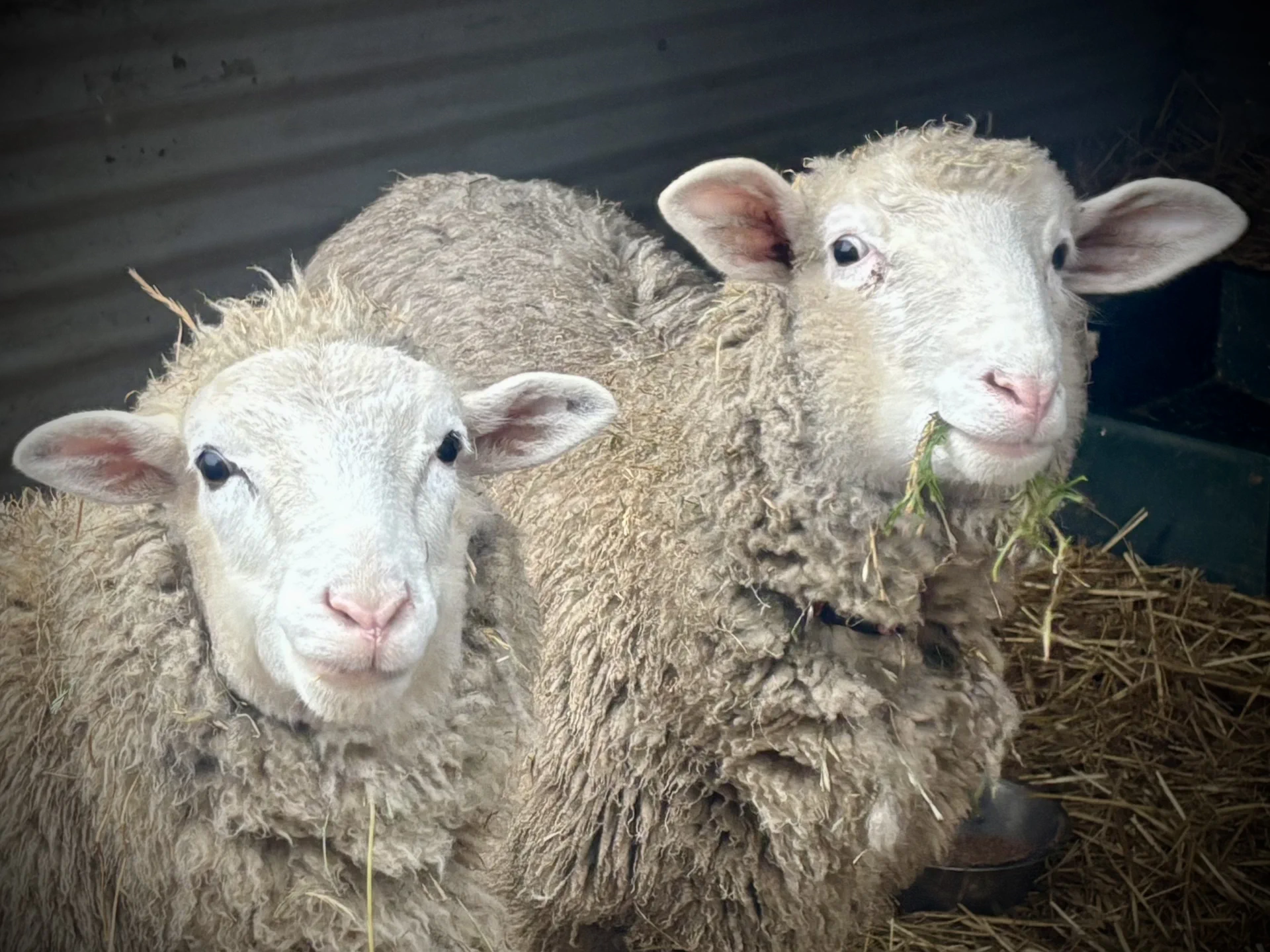
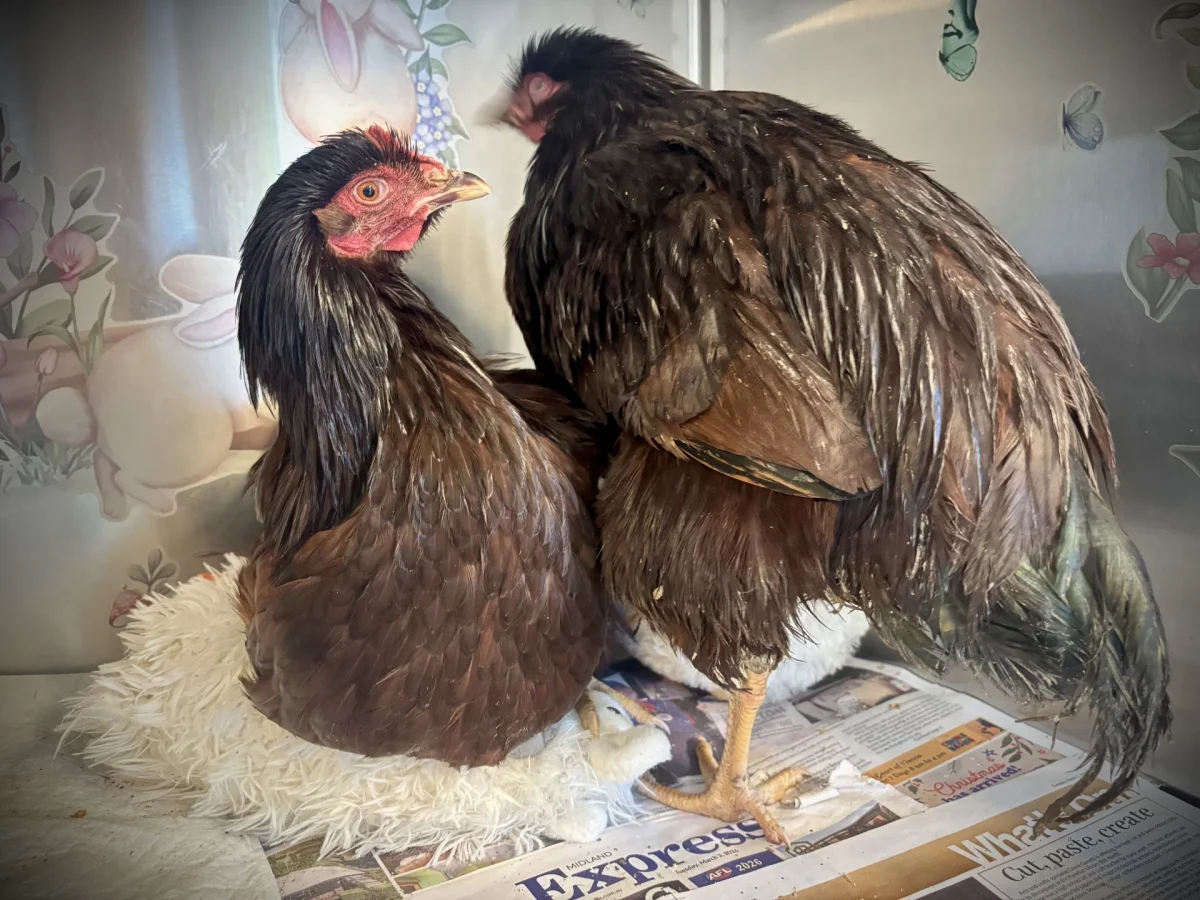
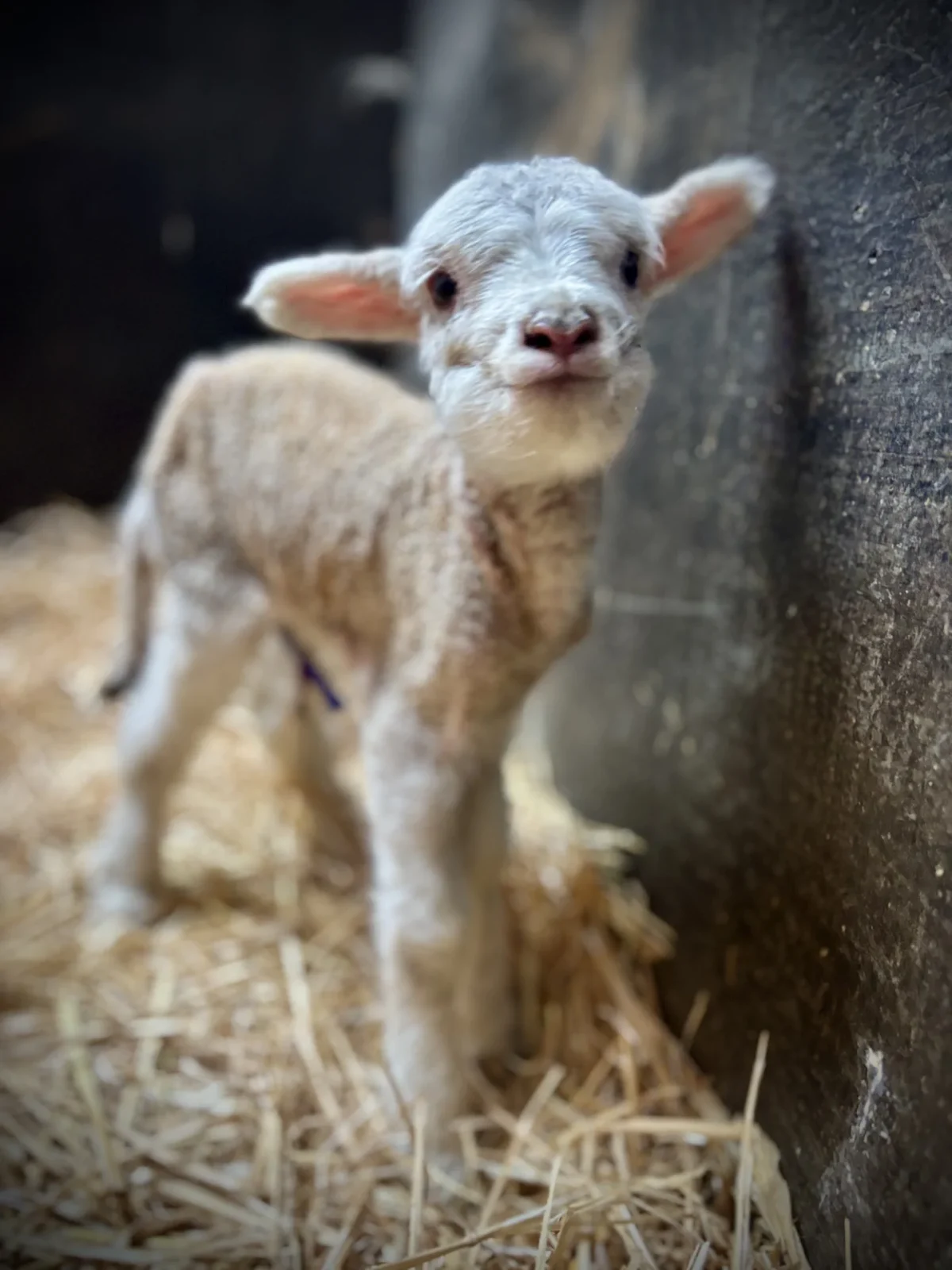
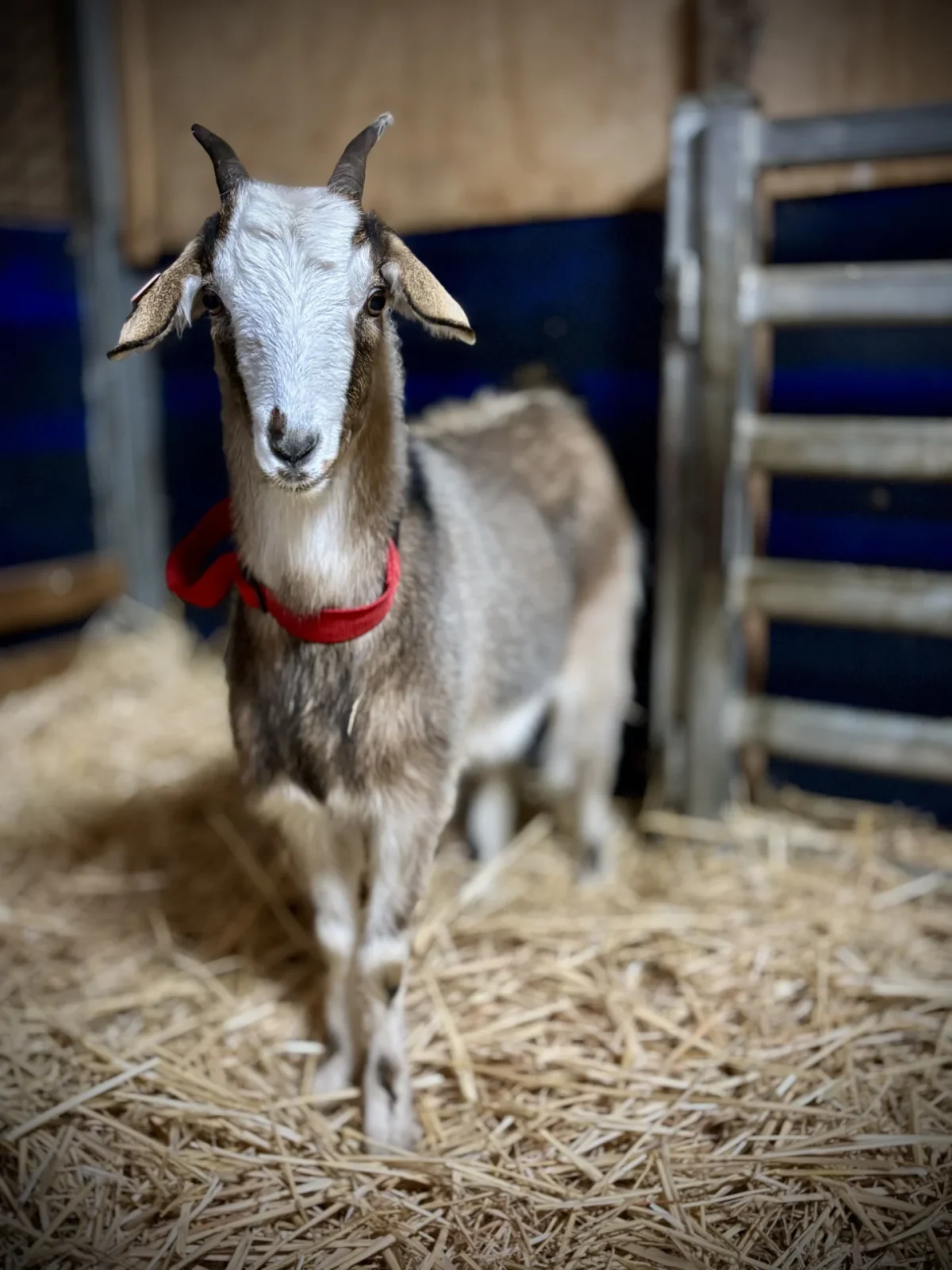
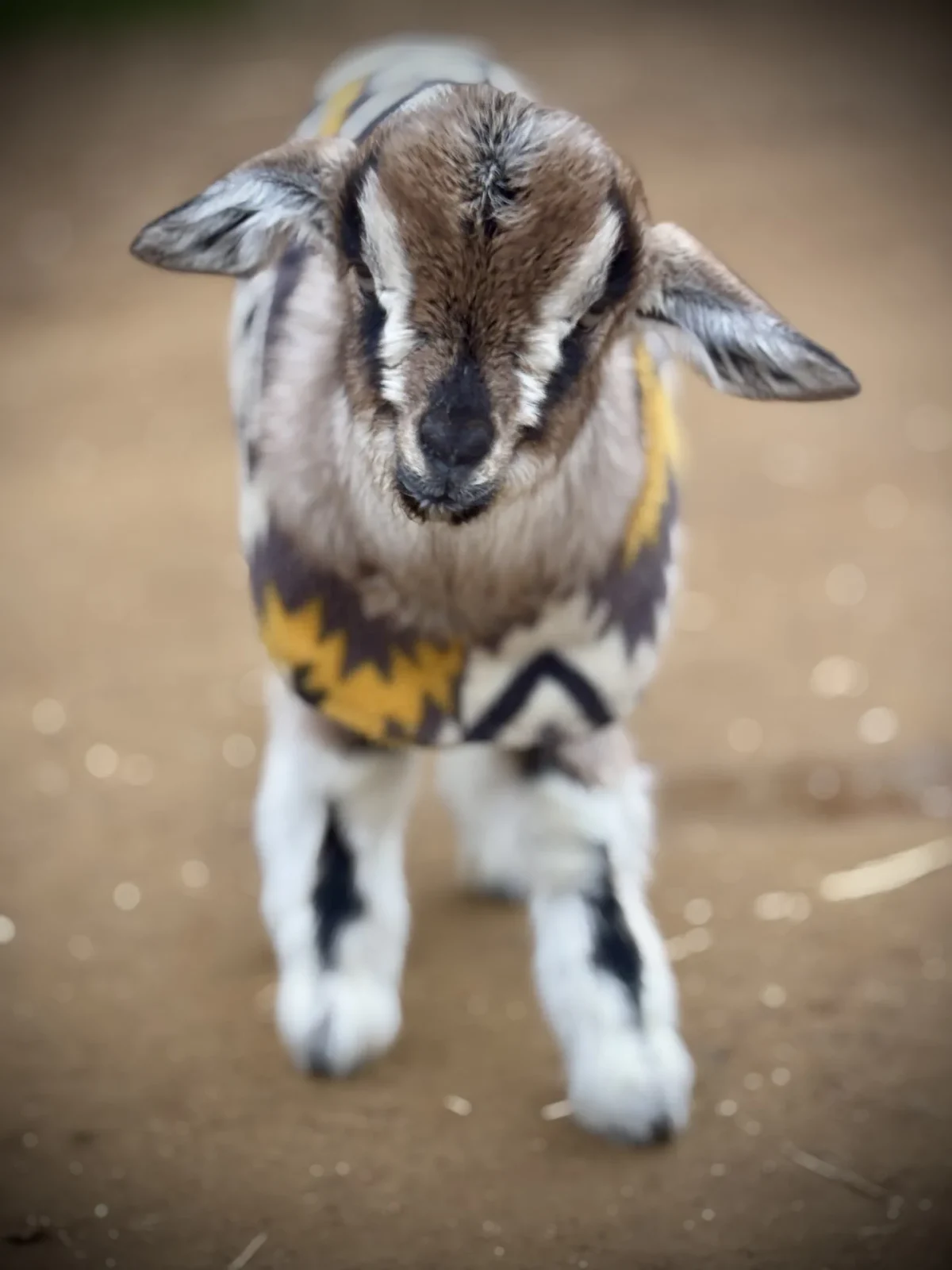
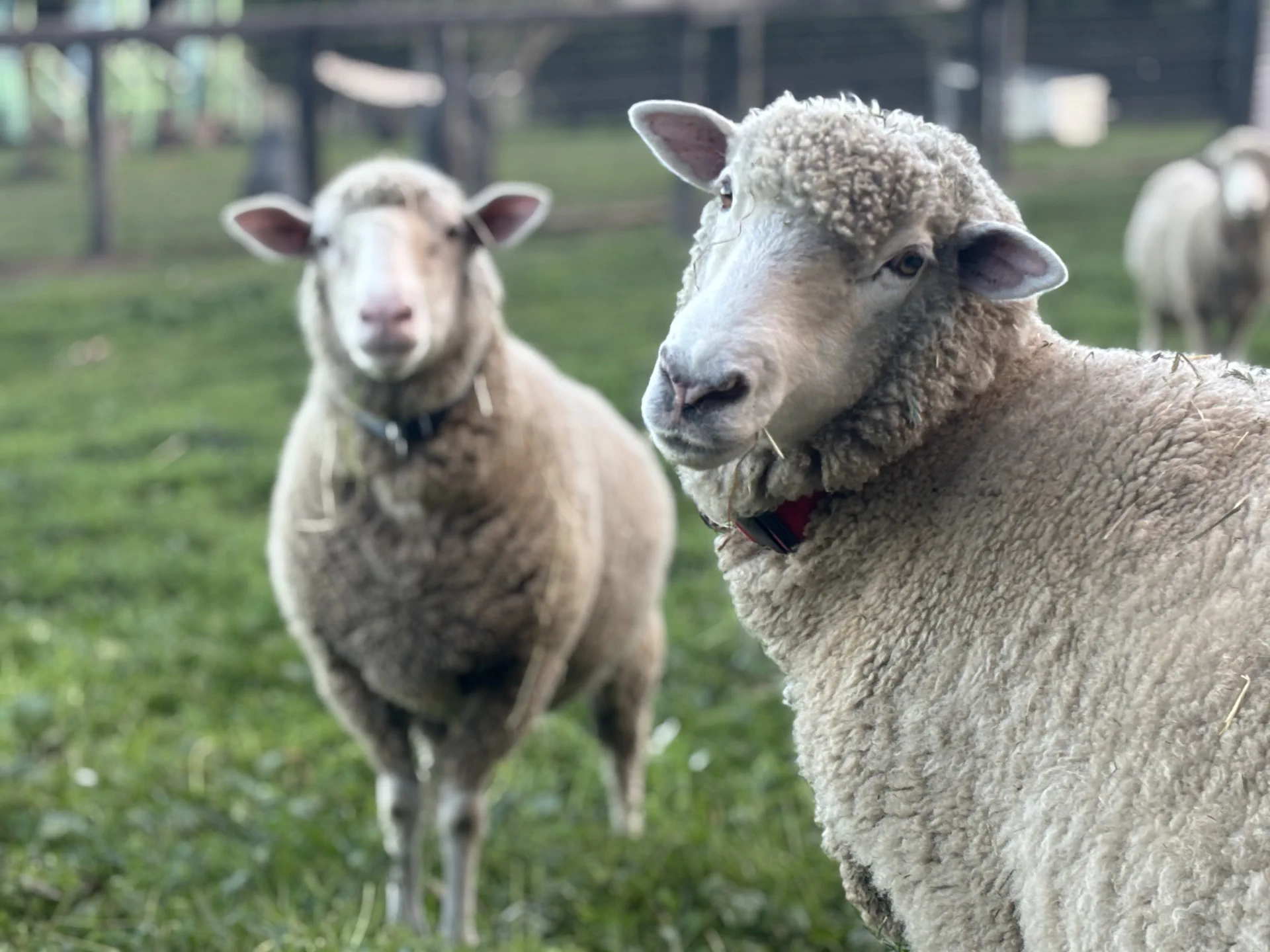
Fifteen sheep and two goats.
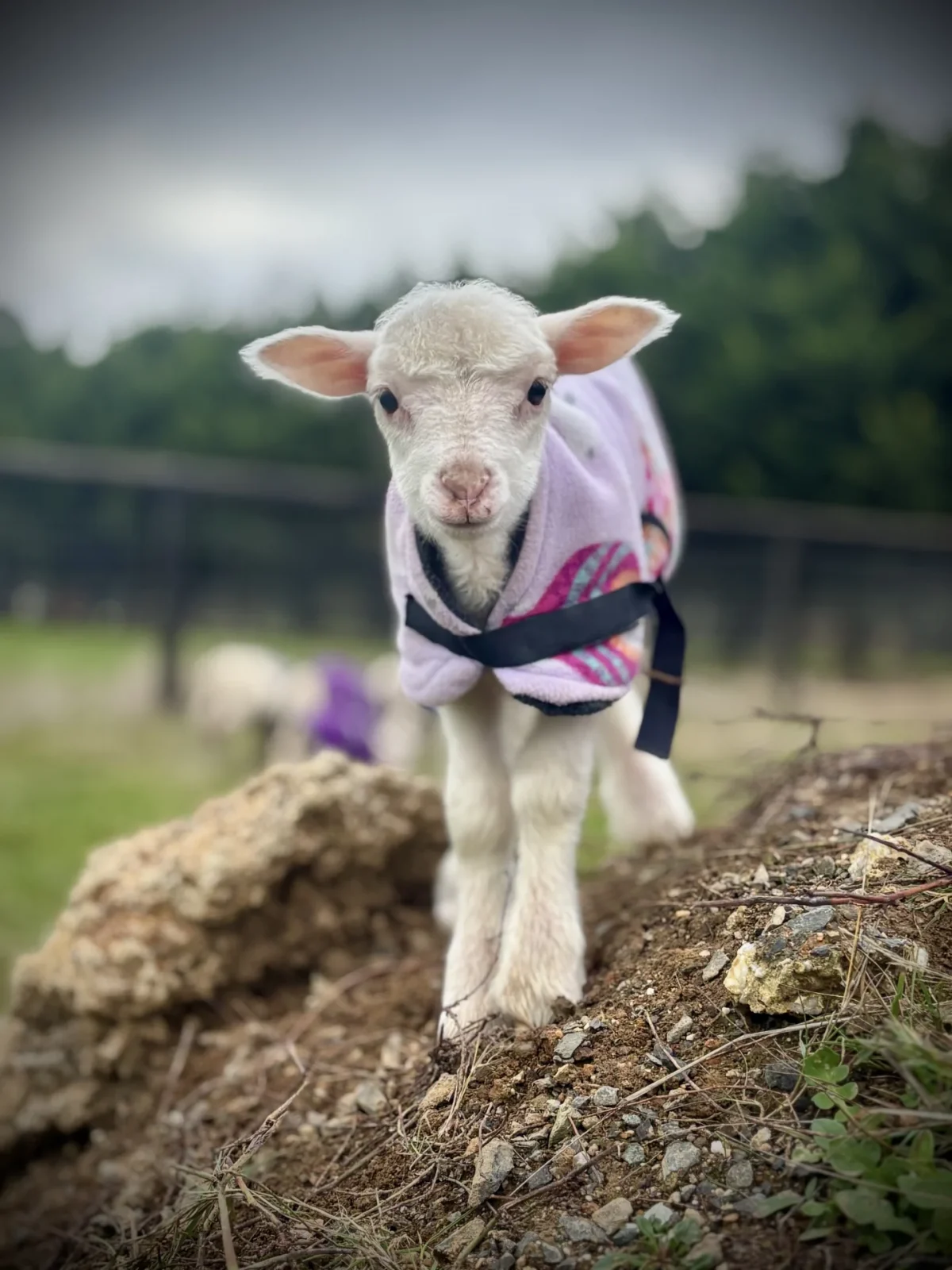
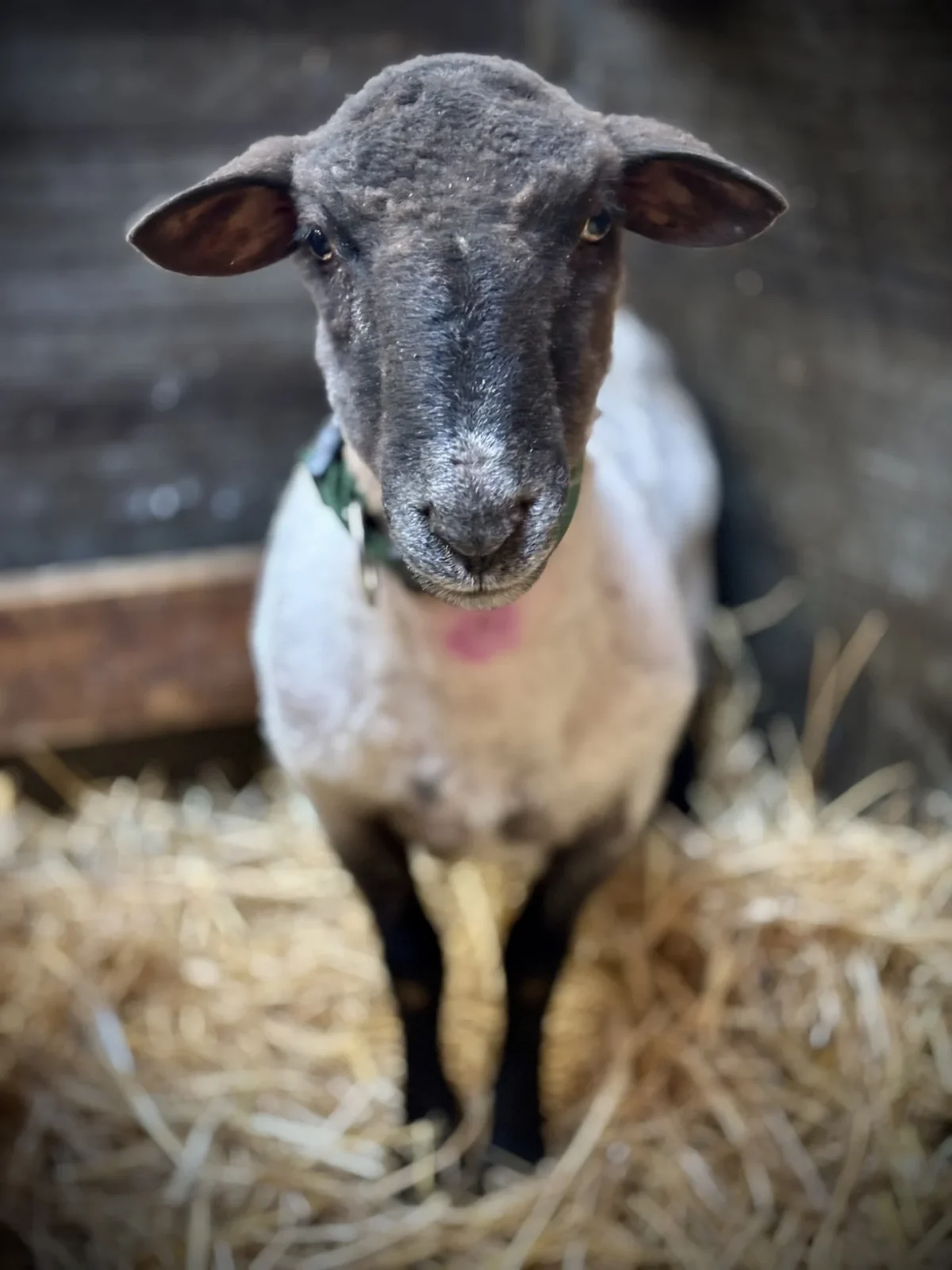
Among them, four pregnant ewes. And three rams, who will soon be castrated to ensure a safer and more stable future for all.
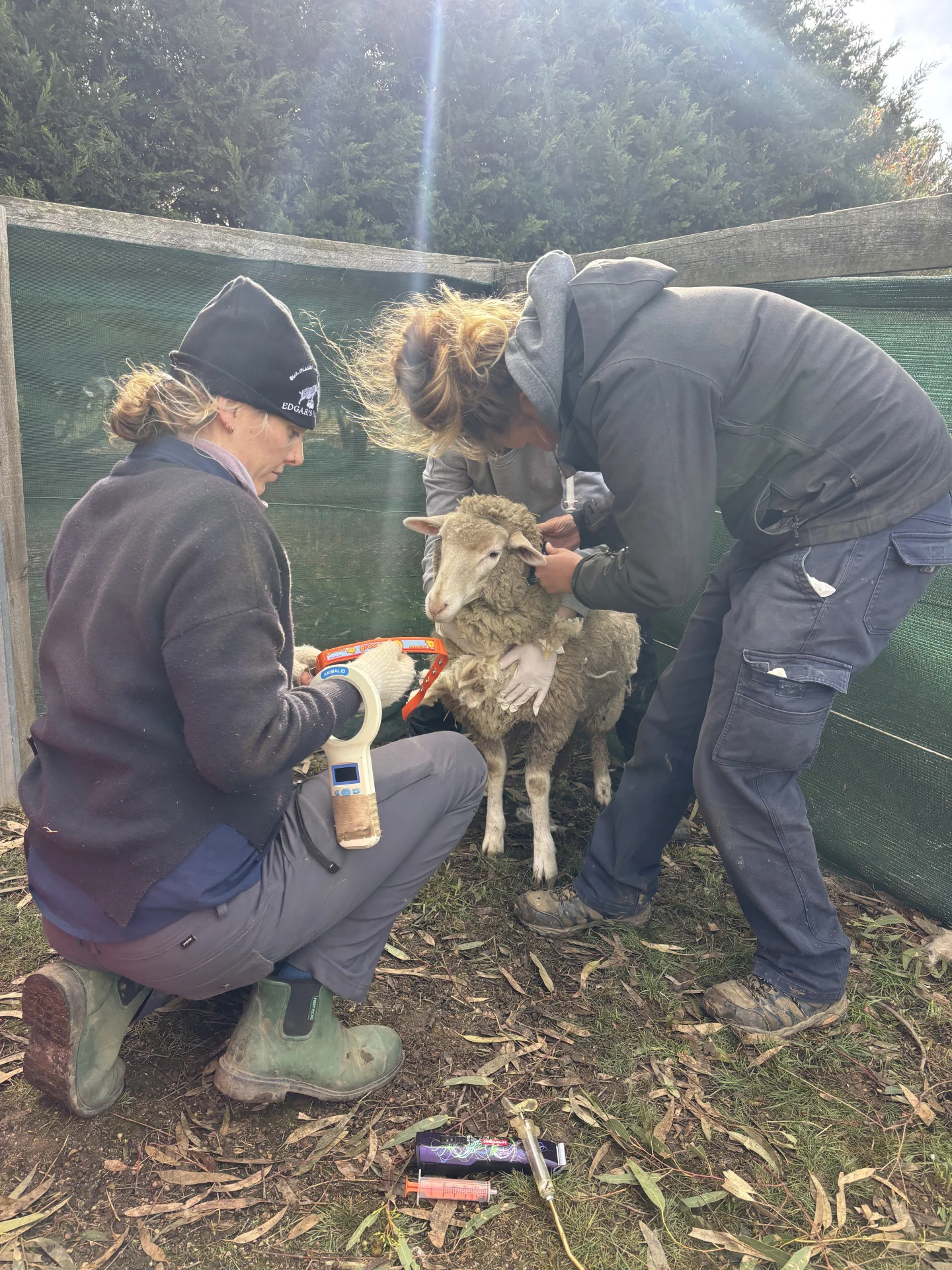
Each animal has now been health checked, drenched, vaccinated and had their hooves trimmed. And despite all they have been through, most meet us with trust.
Which tells its own story.
Because whatever gaps existed in their care, there has also been kindness here. And that matters too. This is not a story of blame.
It is a reminder.
That good intentions, while powerful, must be matched with knowledge, support and the willingness to ask for help.
Because when it comes to animals, the cost of getting it wrong is not measured in inconvenience.
It is measured in lives.
The good news is that this story is still being written.
And for these animals, it is now turning toward something steadier. Toward full bellies, stronger bodies and the kind of care that meets both heart and understanding.
Because kindness is not just something we feel.
It is something we learn.
And something we must keep learning, for their sake.