Your cart (0)
A Different Angle
Posted February 19 2026
Fishing is often framed as harmless recreation. For many, it is said to be a way to relax, to connect with nature and to simply be.
But that story only holds if you’re standing on the bank. From the other end of the line, the experience looks very different. Scientific research over the past two decades has shown that fish are sentient beings. They feel pain and experience stress and fear. They also show signs of positive states and social preferences.
Studies have demonstrated that fish possess nociceptors, learn from negative experiences and can show long-term behavioural changes after injury. A barbed hook tearing through a mouth is not a momentary inconvenience.
It is trauma.
Dragged from the water into the air, fish don’t simply “stop moving”. They suffocate, their gills collapse and their bodies fight desperately for oxygen that isn’t there (fish cannot breathe gaseous oxygen in the air).
And the suffering doesn’t end with the fish.
Discarded hooks and fishing line linger long after the angler has gone home. They drift unseen beneath the surface, turning lakes and rivers into silent traps. Left along banks and shorelines, they can entangle animals who pass through. Waterbirds can be snared by line around their legs or wings while hooks embed in necks, beaks and throats. Many of these animals die slowly, out of sight, their suffering never counted because they were never the intended catch.
Which raises a difficult question.
When this harm becomes visible, whose responsibility is it to act?
Recreation, at its best, should deepen our care for the world we move through
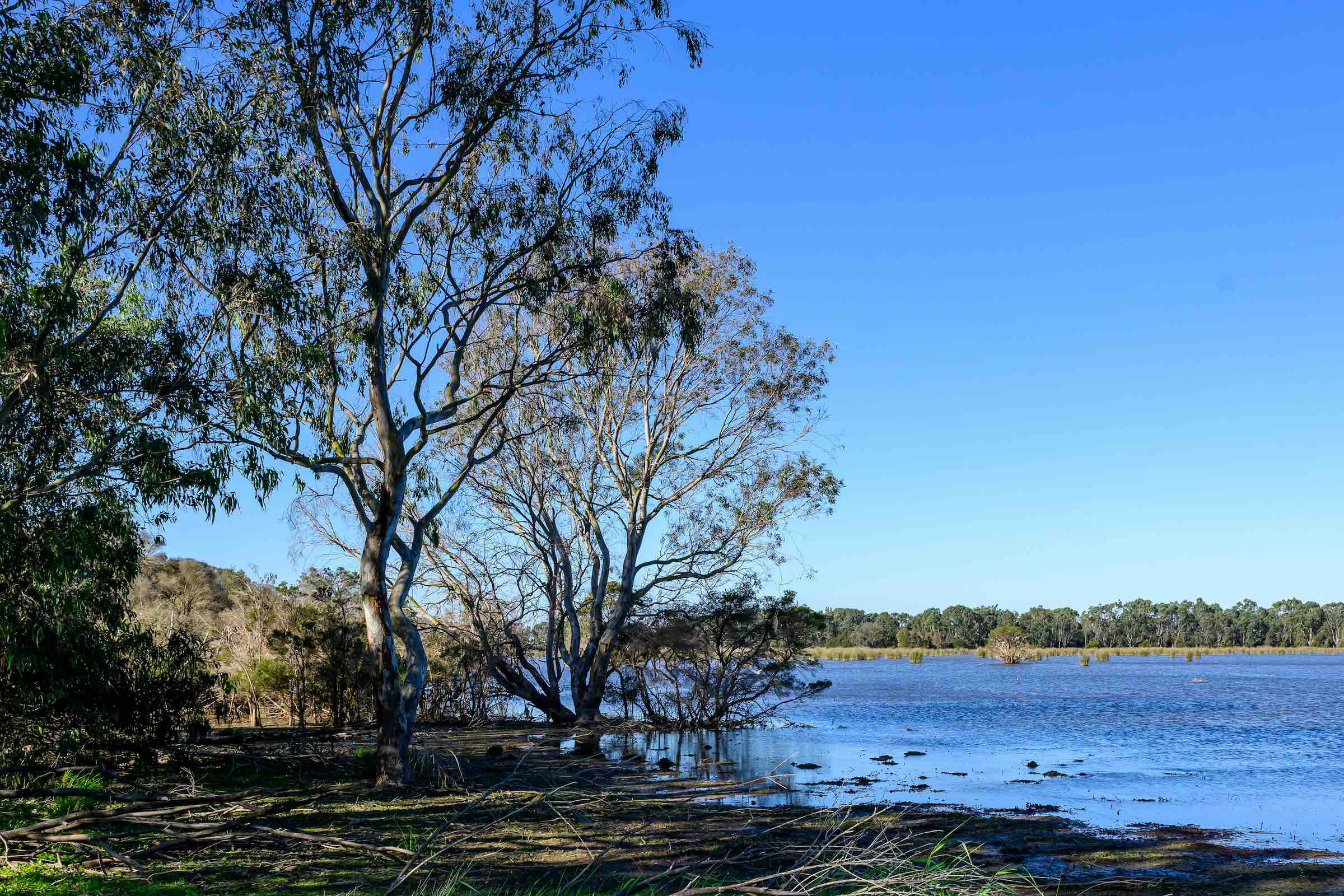
Recently, we received a call about a goose at a local lake. A fishing hook was embedded in their neck. As a non-native animal, they fell outside of the scope of wildlife carers; government bodies did not attend, and this wasn’t technically within our usual scope of work. And at the time, we were hundreds of kilometres away, responding to the Longwood bushfires and caring for fire-impacted farmed animals.
Still, concern doesn’t switch off just because a case falls outside a neat category.
We offered advice, suggested alternative avenues for help and trusted that someone closer would be able to intervene.
But days passed. And no one did.
Then, as the heat finally broke one evening and we were able to attend, the goose emerged from the reeds at dusk. We suspect they had been sheltering there during the hottest part of the day, hidden and hurting and trying to survive.
What followed was not heroic. It was awkward, loud and briefly chaotic. The goose made it very clear that they valued their body exactly as it was and had no interest in our plans of kindness. Despite our repeated, gentle assurances of “We’re here to help, buddy,” the goose was clearly unconvinced.
Eventually, with care and patience and a set of pliers, we were able to cut the barb and delicately remove the hook. On examination, there was no sign of lasting damage, no infection and no tearing beyond the entry point.
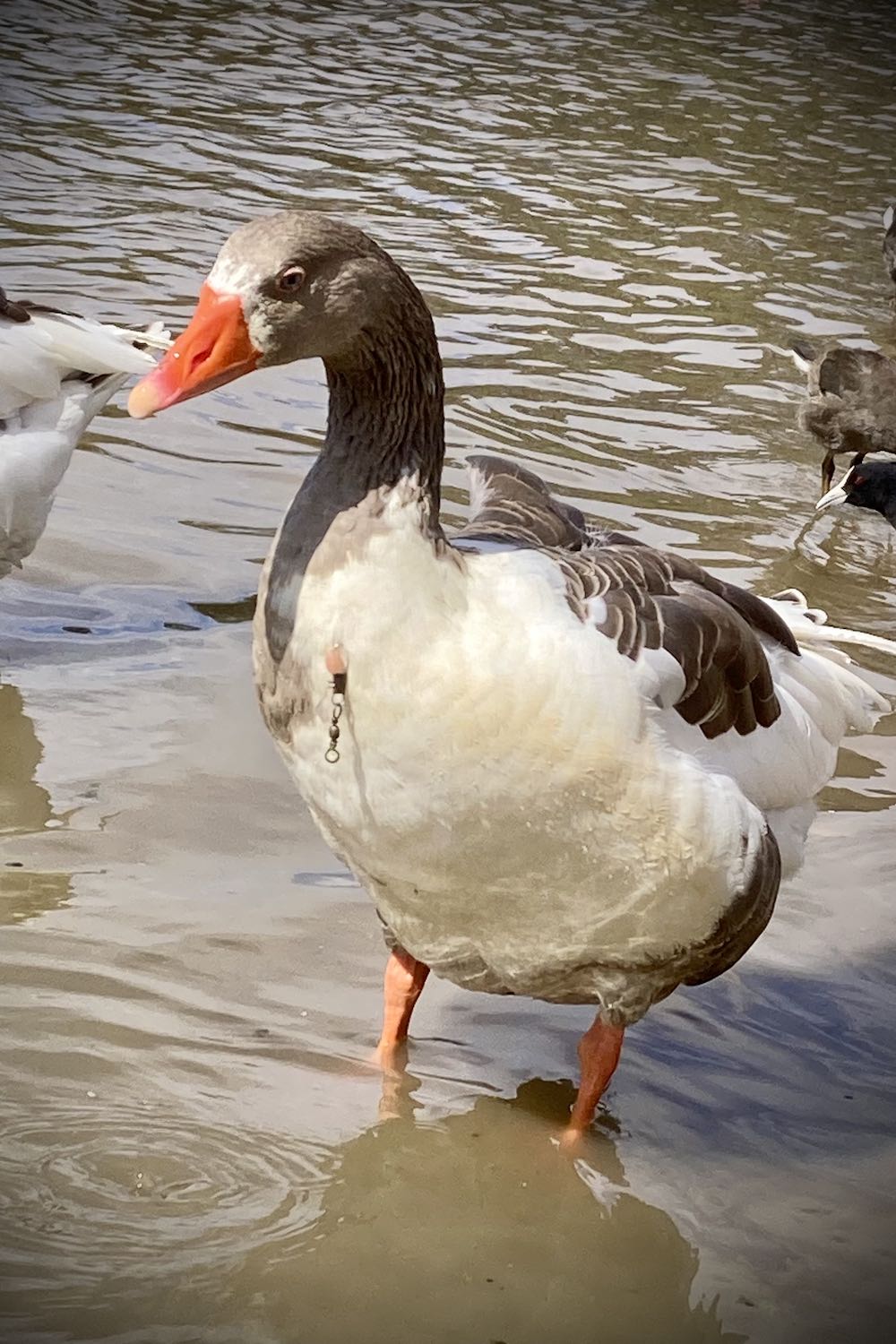
The goose was last seen waddling back to the water. Free, still wild and still with their buddies.
This is the part of the story that stays with us.
Fishing is described as a recreational pursuit. The word itself implies renewal and restoration—an activity that leaves both the person and the place no worse than before.
If a pastime relies on another being’s pain, fear or death, can it still claim that meaning?
And if the tools of that pastime continue to harm long after the fun has ended, entangling animals who never consented to the game, what responsibility do we carry for the unseen consequences?
This story isn’t about blame. It’s about angles.
The angler’s angle. The fish’s angle. The goose’s angle.
And the invitation for us all to pause long enough to look again.
When we close ourselves off to the experiences of others, especially those who do not speak our language, it becomes easier to ignore harm. That distance dulls our empathy, and what we don’t feel, we are less likely to question.
Recreation, at its best, should deepen our care for the world we move through. It should not require someone else to suffer quietly so we can feel at peace. Sometimes change begins not with condemnation, but with noticing and with choosing a different angle.
More Posts
Tribute
A Cherished Life
Yesterday, the final chapter of Rammie Baa Baa’s earthly mission came to a close. And what a mission it was.
Read more
Trottings Story
The Fire Within Us
As I look out my window this morning, the familiar rhythm of sanctuary life unfolds. The team moves with their usual quiet purpose, ensuring every animal is fed, has fresh water and is cared for. Even after restless nights and heavy skies, life continues. Responsibility continues. Kindness continues.
Read more
Trottings Story
Away in a Manger
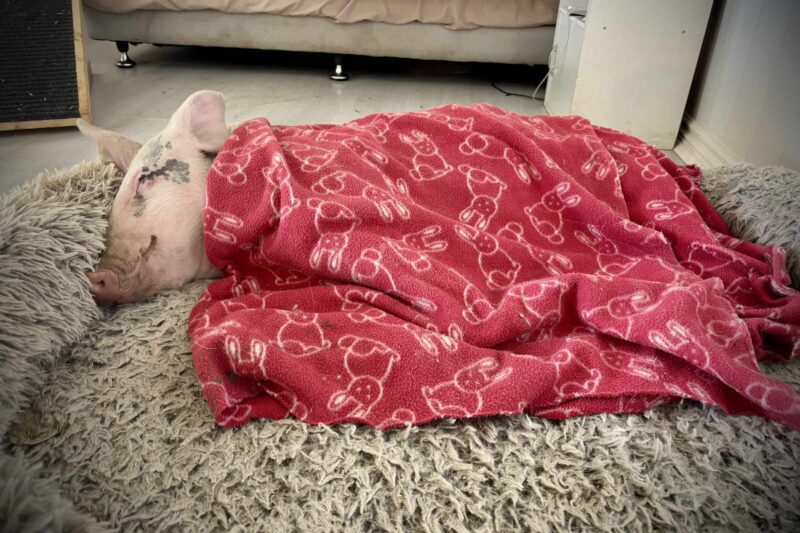
Well, perhaps not quite a manger, rather, the next room, there’s a perfect pink piglet who snores beneath a blanket of red festive cheer.
Read more
Trottings Story
Trust Me: A Lesson in Fear and Flight
“Thoughts become things, so choose them wisely.”
Read more
Trottings Story
Traded
From the moment we humans first bent animals to our will, we began a trade they never signed up for. We took their wild and precious lives and exchanged them for food, water and shelter.
Read more
Trottings Story
What You Do Next Could Save a Life
It must have been twenty years ago, yet if I close my eyes, I’m back in that small training room with nineteen strangers.
Read more
Trottings Story
Every Heartbeat: Why We Do What We Do
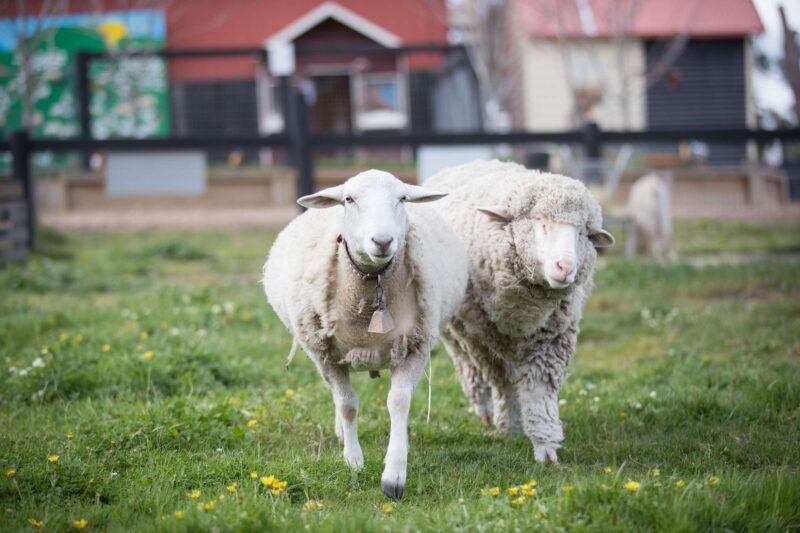
At Edgar’s Mission, we believe that every life—regardless of form, function or fate—is worthy of our care.
Because life is life. And love is love. No matter who wears the skin.
Read more
Sanctuary News
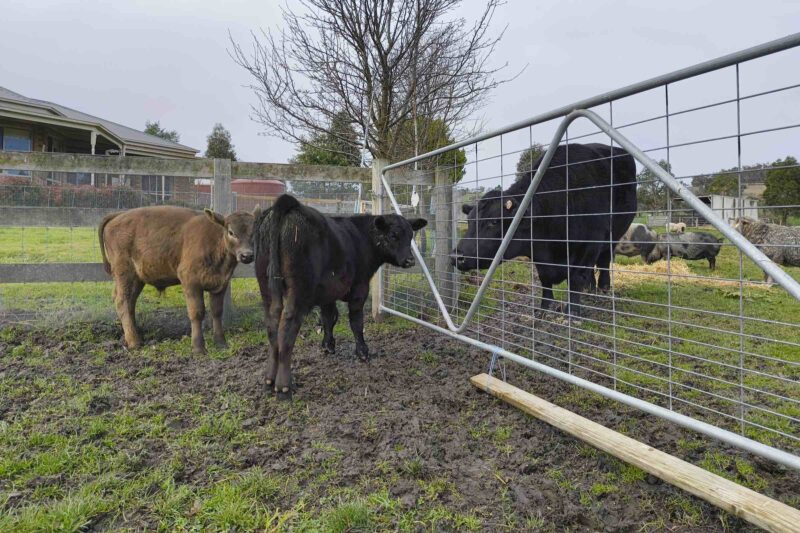
Tommi & Teddi: A Friendship Forged in Hope
In March, just days apart, two tiny calves arrived at Edgar’s Mission—each carrying their own story of heartache and hope.
Read more
Action
Adoption – The Heart of Healing in Rescue
If you’re very lucky in life, you’ll meet a non-human someone who changes you forever.
Read more
Trottings Story
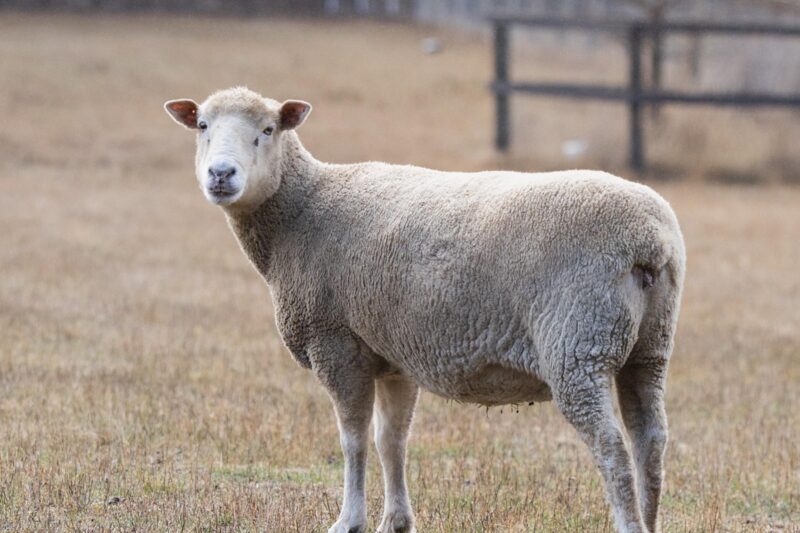
When Beautiful Things Happen
On a quiet Saturday afternoon in March, something beautiful happened. And it all began with a sheep the world had not yet named—Jumbuck.
Read more