Your cart (0)
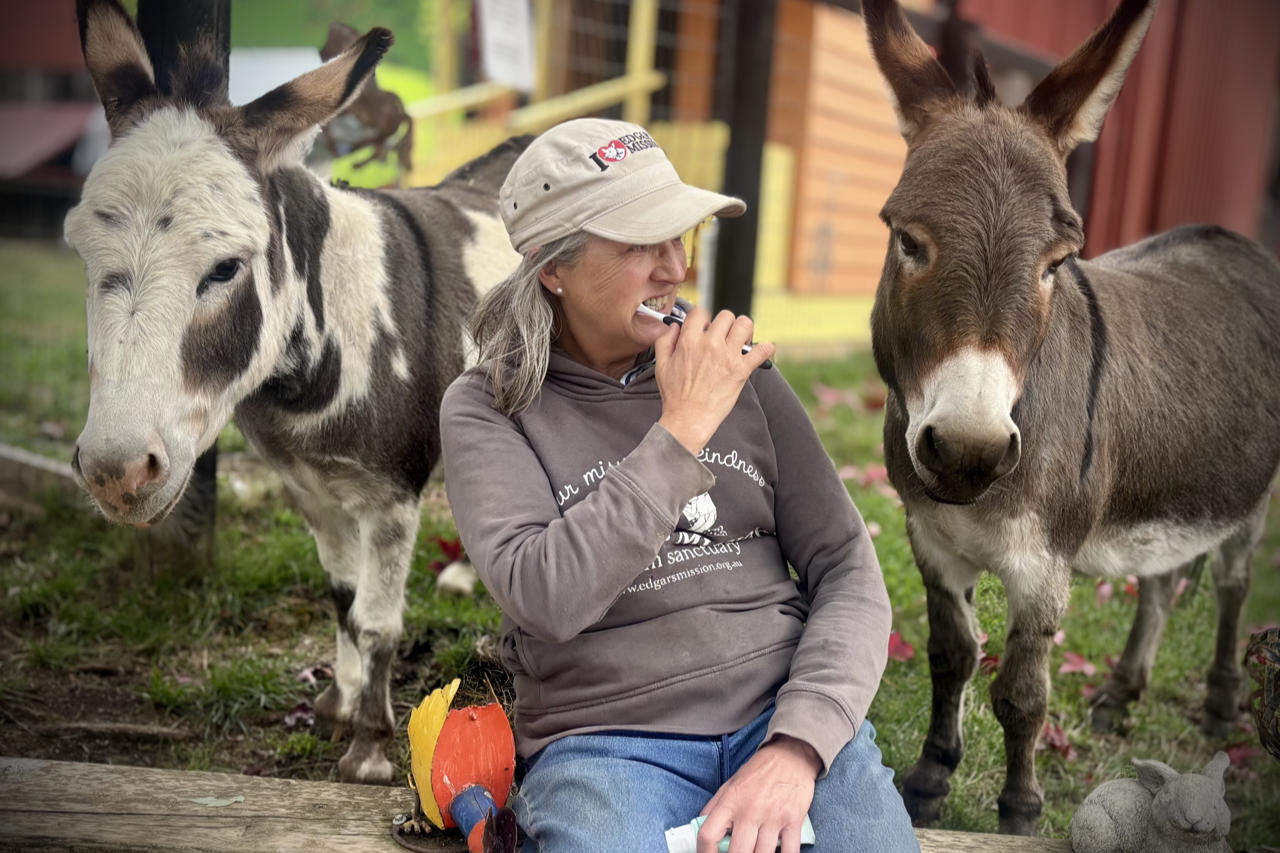
Don’t Forget to Brush Your Teeth & The Myth of Kindness
Posted March 22 2026
I stretch my memory back and though I cannot recall the exact date, I do remember the moment with surprising clarity.
I was about fourteen, standing in front of the bathroom mirror in the thin morning light, toothbrush in one hand and my mum’s words in the other: “Don’t forget to brush your teeth.” And so I dutifully scrubbed away at my pearly whites, just as I had been told to do since childhood.
But then those cheesy words from the television commercial I had seen the night before niggled at me. I paused and actually looked at what I was doing. The toothbrush wasn’t really spending much time on my teeth at all. Instead, it honed in on the spaces between each tooth and traced the soft pink line of my gums.
That was the moment it dawned on me.
All those years I’d heard “brush your teeth”, never realising how much of it was really about what sits between them and the gums that hold everything in place. The teeth, it turns out, are merely the visible part. Everything else is the roots holding them in place. Neglect that, and eventually the teeth themselves begin to fail.
It struck me then how curious language can be. We repeat instructions so often that we stop noticing what they really mean. “Brush your teeth.” One simple instruction and yet, not entirely true.
As the years passed, that small realisation returned to me more than once. Especially when I began rethinking the way we speak about animals. Most of us grow up hearing another instruction just as familiar.
“Be kind to animals.”
Perhaps kindness has never really lived in the words we use, or the stories we tell ourselves, or even our animal protection laws, but in our willingness to look beyond the polished surface and face what has been hidden there all along
It sits comfortably among the lessons of our childhood. Feed the dog. Be gentle with the family cats. And somewhere in the background, we know that laws exist to protect animals through something called the Prevention of Cruelty to Animals Act.
Yet walk through a supermarket or glance at a restaurant menu and something inside you awakens. The animals have disappeared and in their place are tidy words and comfortable rituals. Pork. Bacon. Ham. Not a pig or someone whose nose is waiting to nudge your heart.
On the surface, everything appears perfectly normal. And so we go about our lives, rarely stopping to question what lies beneath.
But sometimes, just as with brushing our teeth, it helps to look a little closer—for them and for us.
Because beneath the visible layer lies the deeper structure that holds the whole system together. A structure built not on kindness, but on distance, euphemism and suffering so routine it has become almost invisible.
Perhaps that is the curious thing about human animals. We polish the visible parts of our lives with our words, our labels and our rituals, while the foundations beneath them quietly erode.
That morning in the mirror taught me something simple that I have never forgotten, though it would take many years to fully understand. The most important truths are often hidden just below the surface. We may think we are brushing our teeth. But all along, it was what lay between and beneath that truly mattered.
And perhaps the same is true of kindness.
Perhaps kindness has never really lived in the words we use, or the stories we tell ourselves, or even our animal protection laws, but in our willingness to look beyond the polished surface and face what has been hidden there all along.
Because it is not what we say about animals that defines us.
It is who lies beneath the choices we make.
More Posts
Trottings Story
A Heartbeat, Whether Named or Not
This morning, I was reminded that the measure of a living being is not found in whether we have named them, understood them or even noticed them.
Read more
Tribute
The Nine Lives of Ohana
Ohana means family. Family means nobody gets left behind or forgotten.
Read more
Tribute
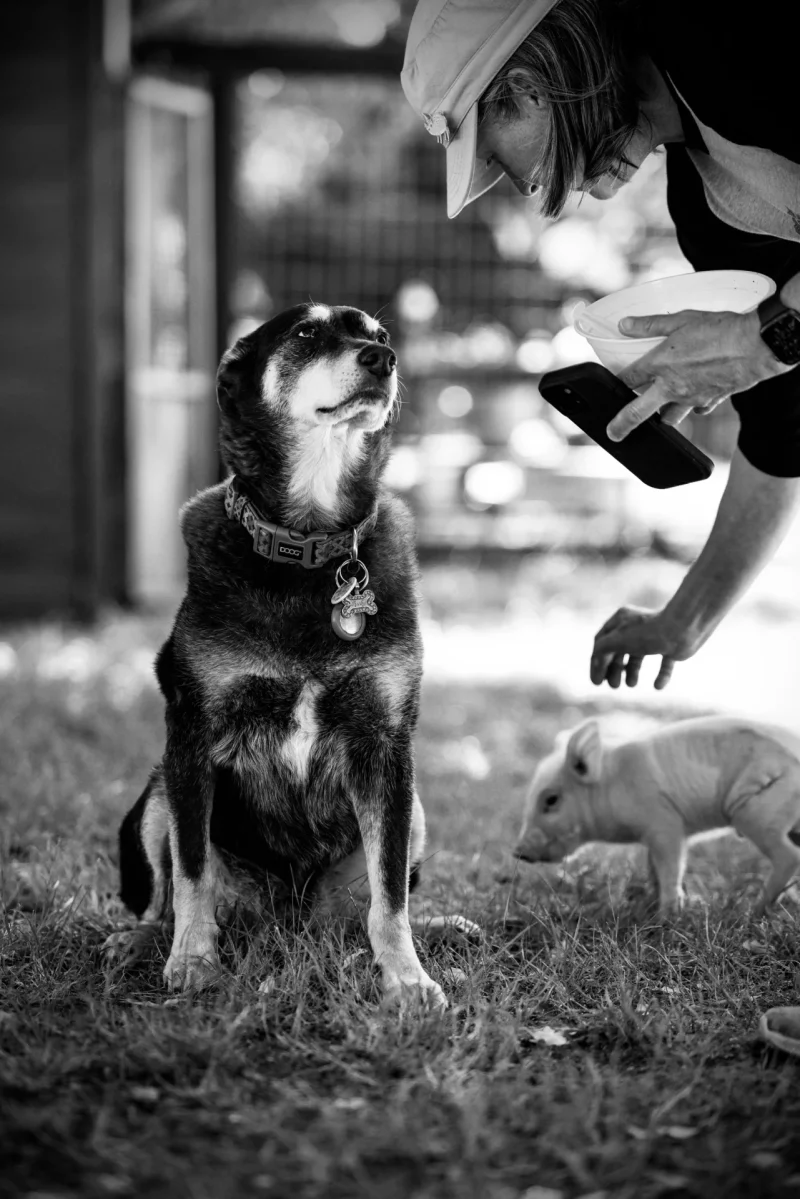
Remembering Twinkle Dot
Twinkle Dot did not exactly burst into the world. Born in February of 2025, one of eight tiny piglets to rescued mumma Petunia, he was the smallest.
Read more
Tribute
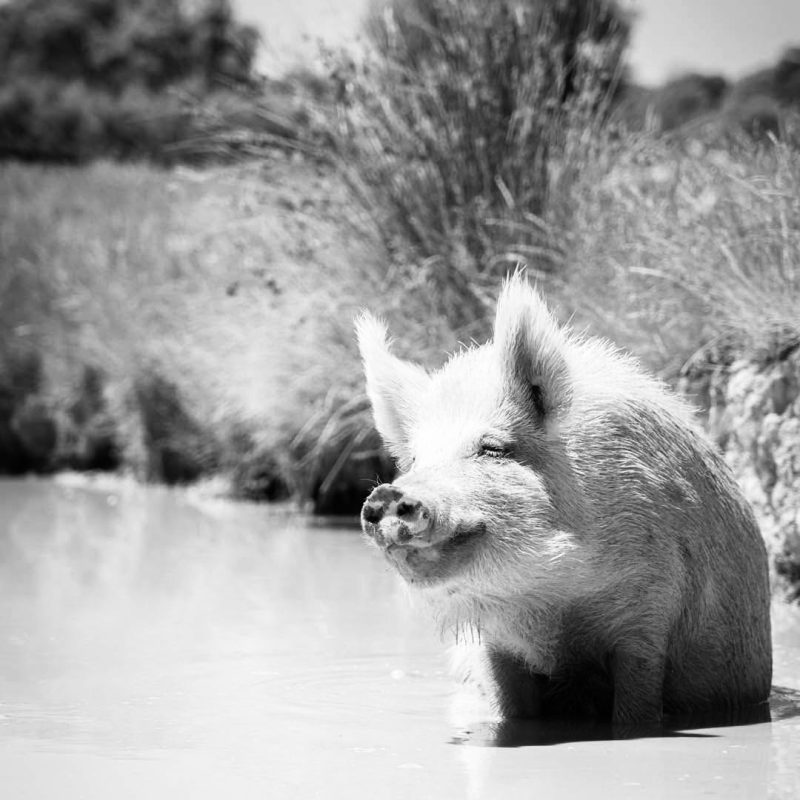
Ruby Year One
Today marks an entire lap around the sun without you. And although the sun shines no more for you, because of you it shines so brightly for so many.
Read more
Tribute
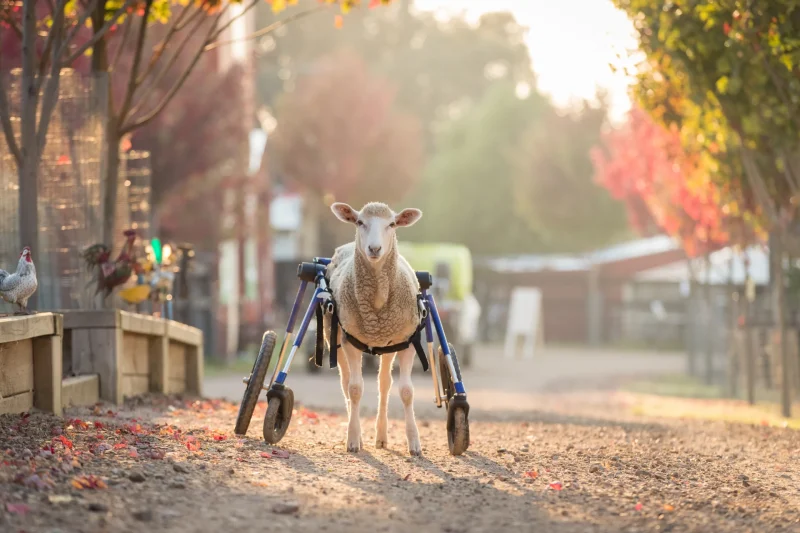
In Her Own Time
There are some animals whose lives become so entwined with our own that it becomes difficult to remember a world before them. Polly was one of those animals.
Read more
Trottings Story
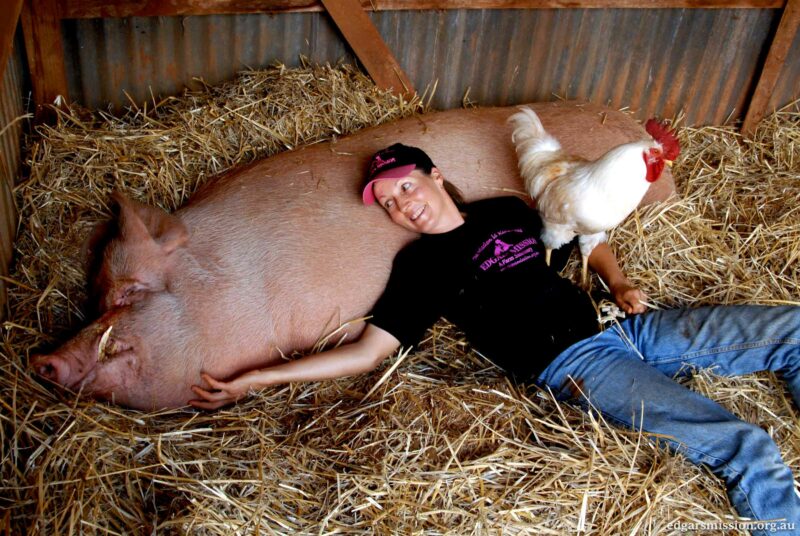
Power
It is a word we so often associate with force, with dominance and with the ability to bend the world to our will. But recently, a heartbreaking image of a pig named Imogen forced me to look at power through a completely different lens.
Read more
Trottings Story
23 Years of Choosing Kindness
Some stories do not begin with a plan. They begin with a feeling. A tug, if you like. For me, it was the tug of a tiny piglet.
Read more
Tribute
When the Grief Settles
Calvin Swine. Even his name makes you smile, and somehow that feels fitting, because he was that kind of pig.
Read more
Trottings Story
If Not...
“If not you, then who? If not now, when?” — Hillel the Elder. It began with a small blackberry bush. Just a slender, spiked vine growing by the roadside at the western entrance to my town.
Read more
Tribute
Hansel: Finding Our Way Home
I sit here beside my broken heart and try to write the story of Hansel. A task made tougher because it feels as though a piece of it has left with him.
Read more