Your cart (0)
Edgar’s Mission Passport
Nutella
Nutella
9 October 2026
Goat
Cheeky adventurer
Pop Lin
Escape artistry
Certified true likeness

Nutella’s story
When Cute Is No Longer Enough
Updated November 5, 2026
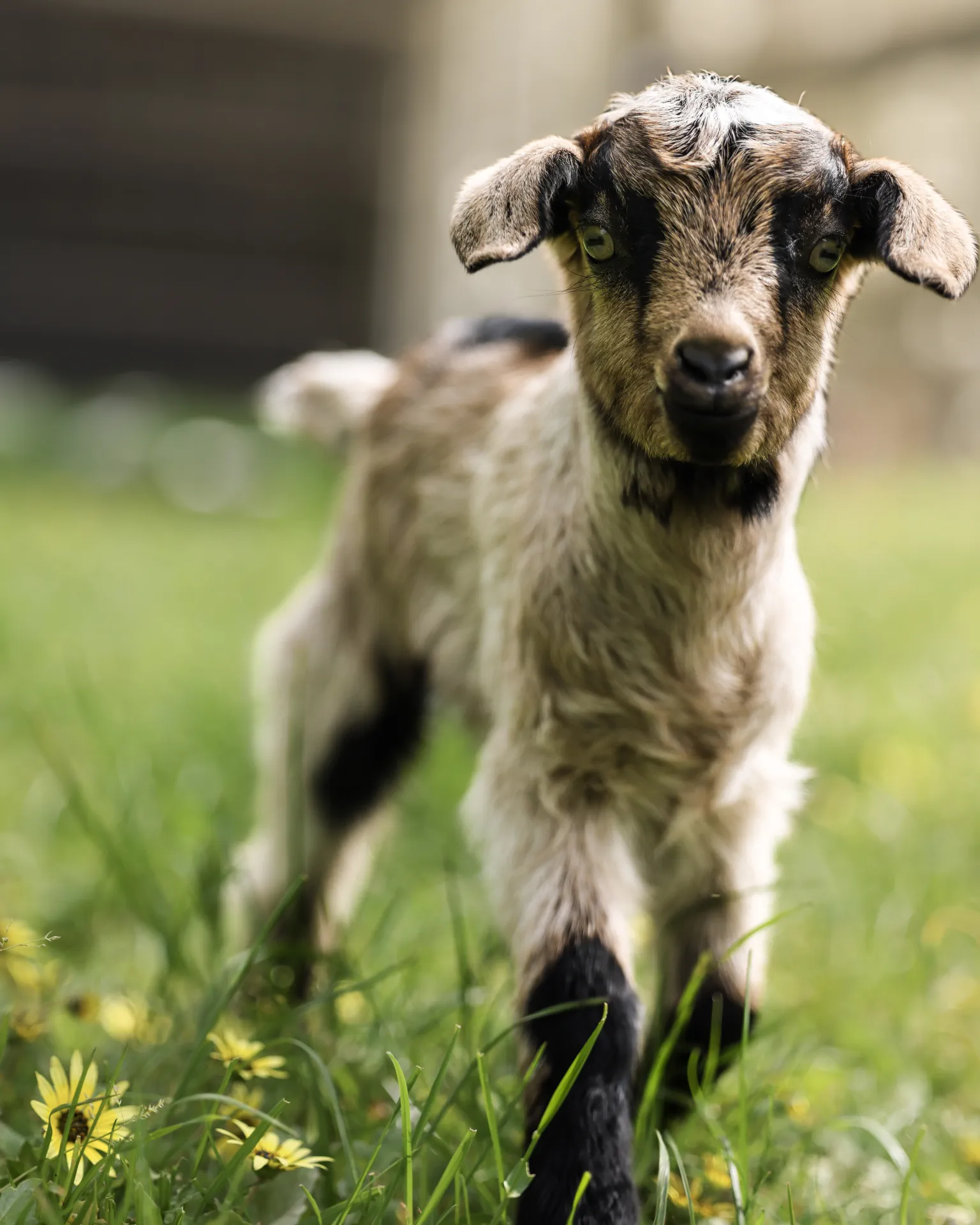
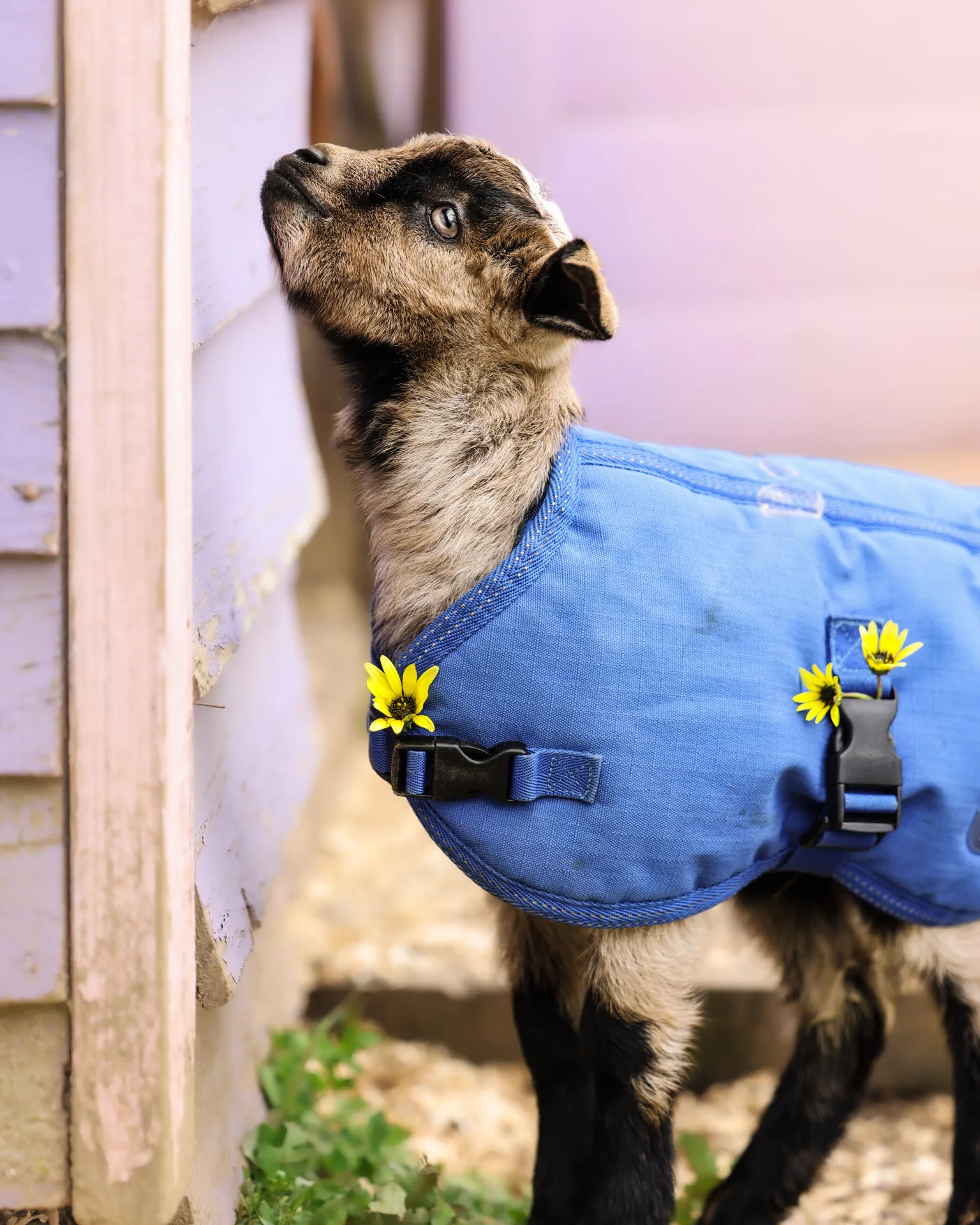
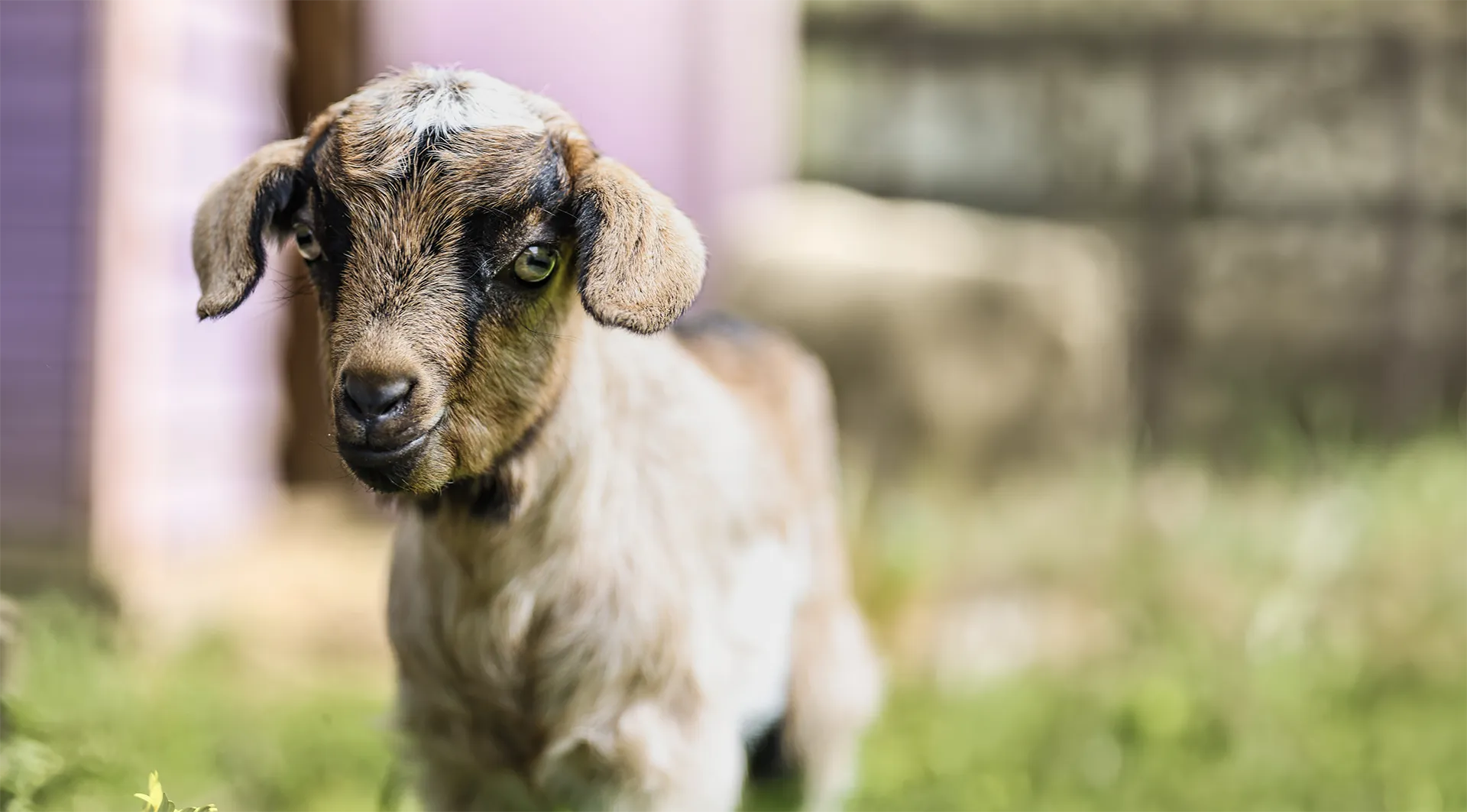
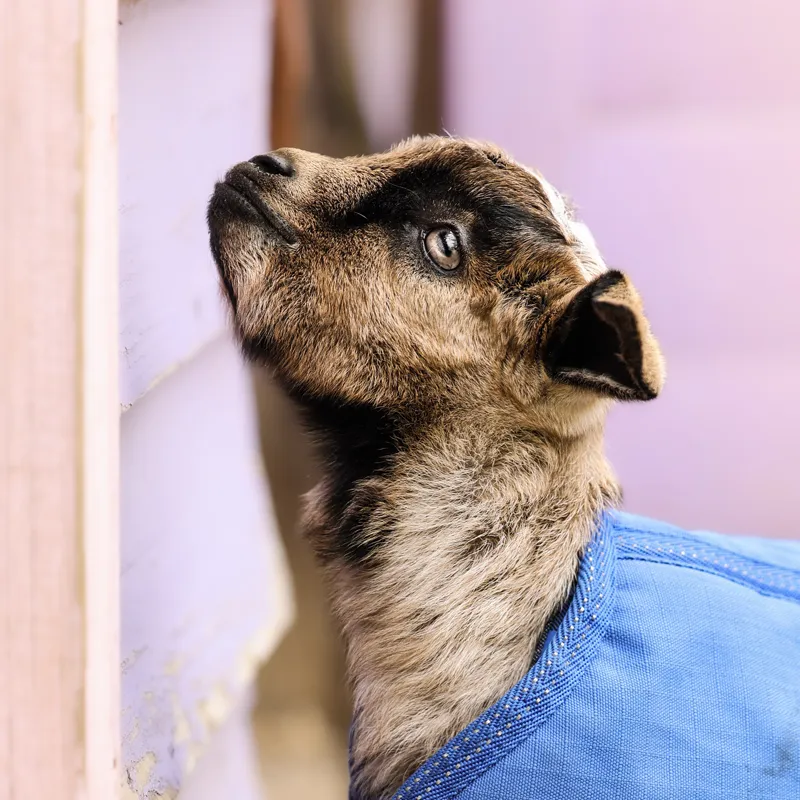
To most people, Nutella is a nutty chocolate spread, though to us here at sanctuary, she is a nut-coloured little goat who delights in spreading something far sweeter.
Joy.
A pint-sized pocket-rocket of a Rangeland kid weighing just over two kilograms, Nutella has already mastered the art of squeezing into the narrowest of spaces, often leaving us scratching our heads as to just how she Houdinied her way out!
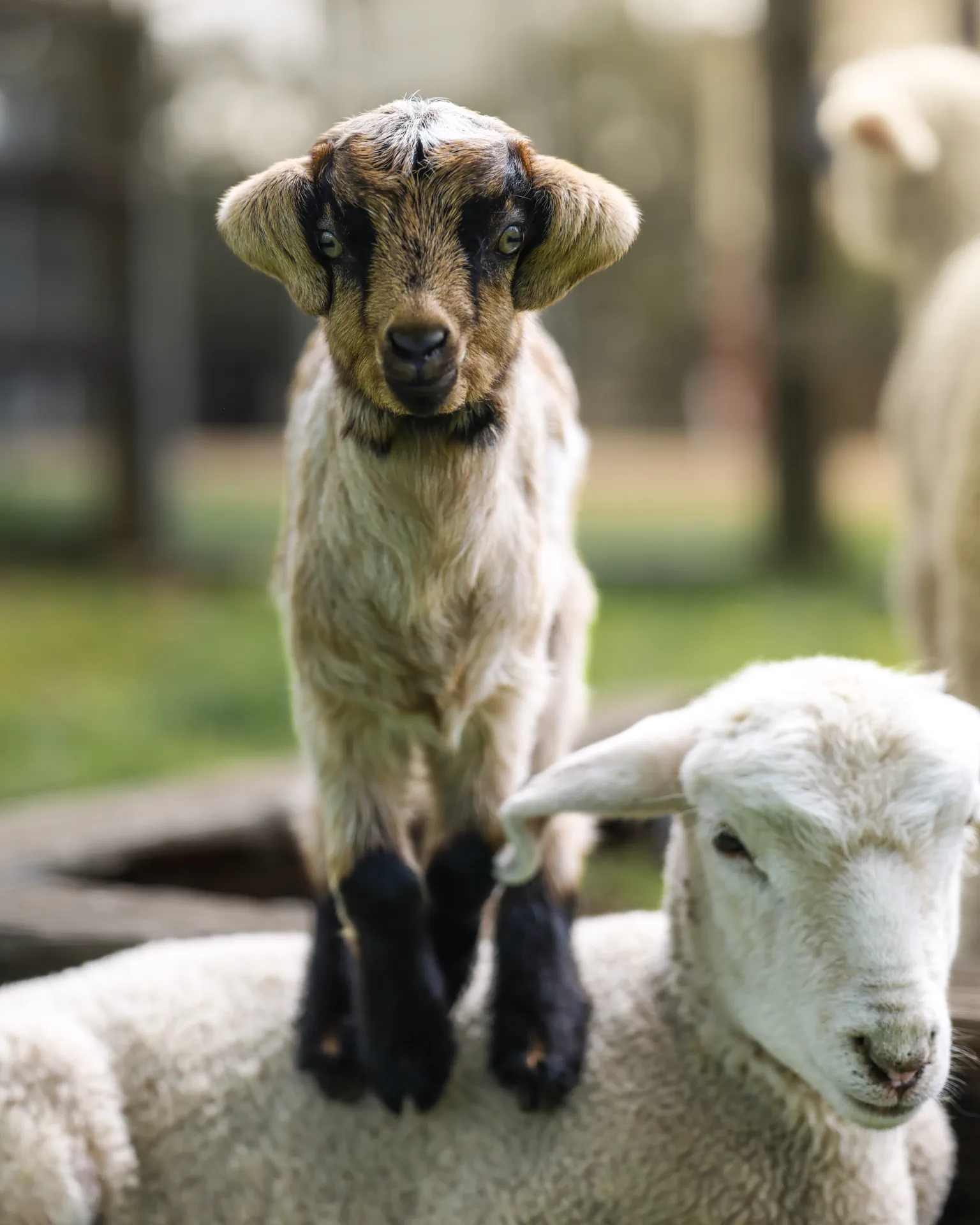
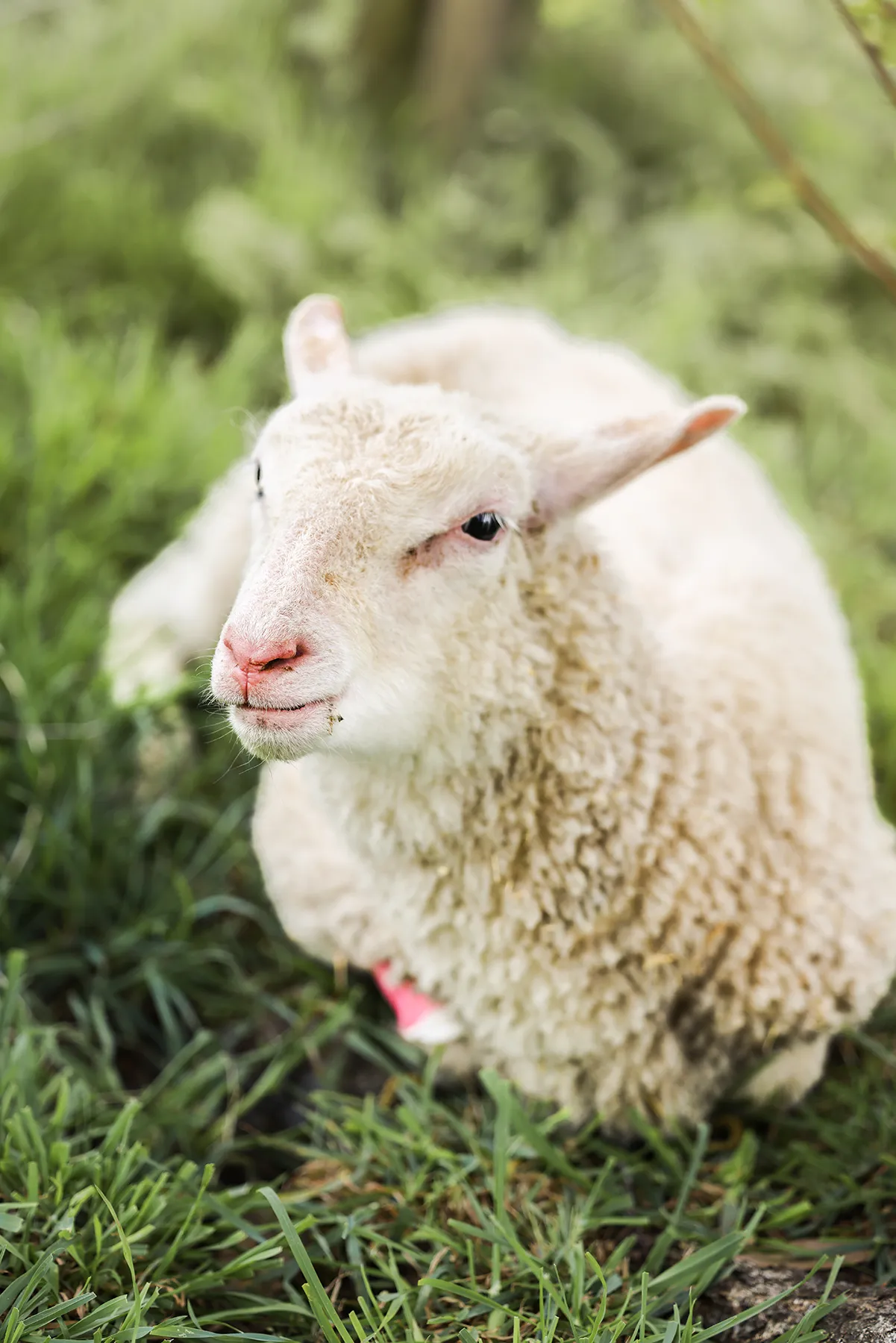
And when she isn’t plotting her next great escape, she is usually in the company of her little gang of friends: Marmalade, a sassy Kalahari Red kid; and lambs Pop Lin and Pop Eye, with whom she is discovering all the wonders of being young, safe and loved.
Although, for Nutella and Marmalade, few pleasures rival taking turns snoozing atop their favourite teddy bear, who is oversized in every sense of the word! One could be forgiven for thinking this now-raggedy teddy bear is simply a reflection of their even bigger personalities!
Yet for all the joy this little goat now brings, the circumstances that brought her into our care are far less cheerful. Found wandering streets where no baby goat should ever be, Nutella has left us wondering just how she came to be there, and what became of her dear mumma. And while we may never know their story, some of the possibilities are deeply troubling.
For while some see a baby goat as someone to cherish, others see a meal. Cabrito.
Thankfully, kindness intervened, and while Nutella’s past may remain shrouded in mystery, her future is not.
But therein lies a question worth asking.
Why is it that we humans so readily fall for the charms of the small, the fluffy and the irresistibly cute, yet so often withdraw our affection when those same animals grow into the adults they were always destined to become?
And what does that say about us, if the kindness we offer is shaped more by what an animal gives us than by what they themselves need?
For Nutella will grow; her tiny hooves will become larger, her mischievous escapades more ambitious and her babyish charms will give way to the dignity of adulthood. Yet the little someone who so effortlessly captured our hearts will remain every bit as worthy of love.
Perhaps the true measure of our compassion is not how readily we love an animal when they delight us, but whether we still see someone worth loving when their youthful charms have given way to the grandeur and beauty of age.
For the problem was never that they grew up.
It was that our kindness so often fails to grow with them.