Your cart (0)
Edgar’s Mission Passport
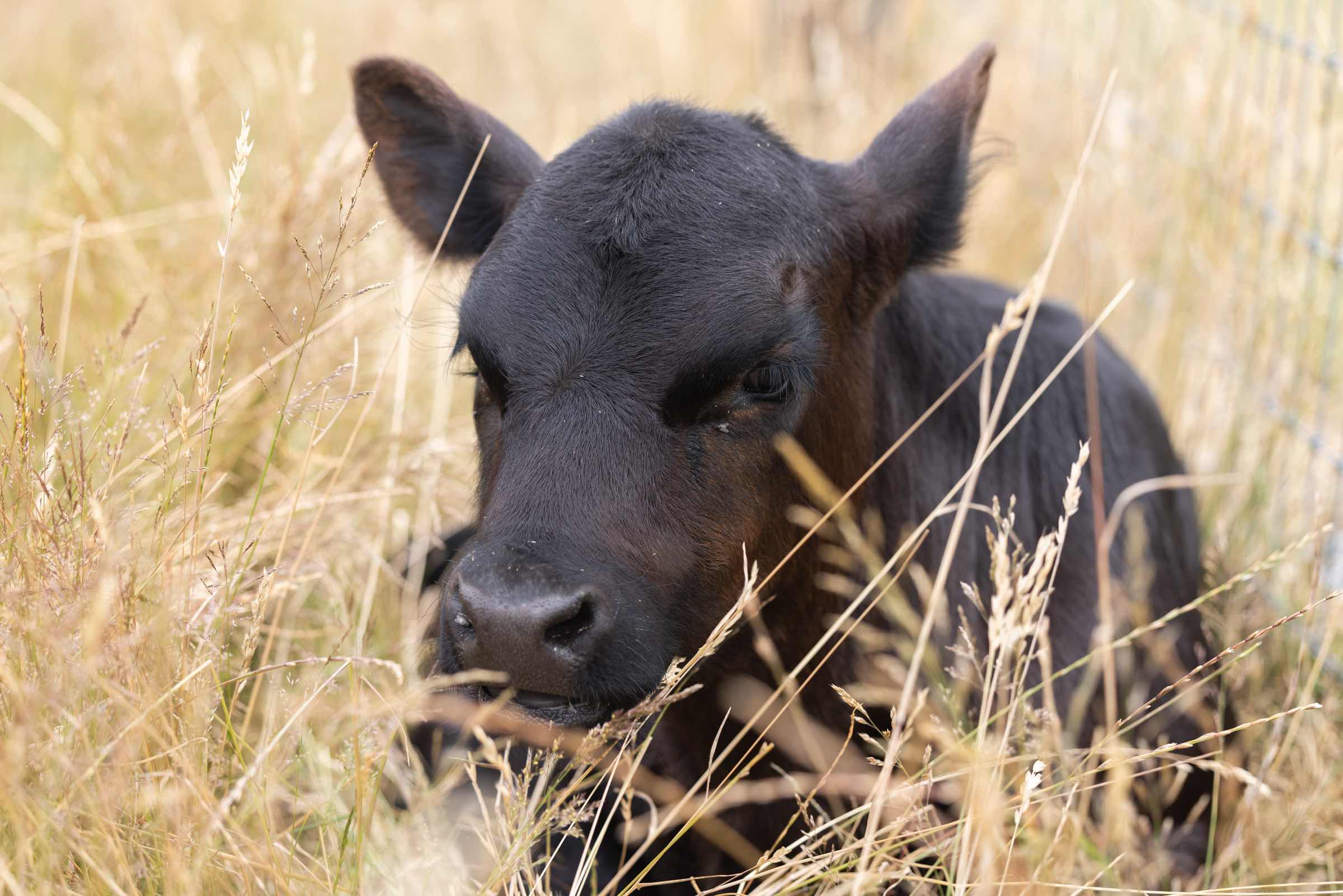
Duke of Gloucester
The Duke of Gloucester
17 November 2025
Calf
11 out of 10!
The Duke and Dukey
Hanging out with Ace & Spirit
Certified true likeness
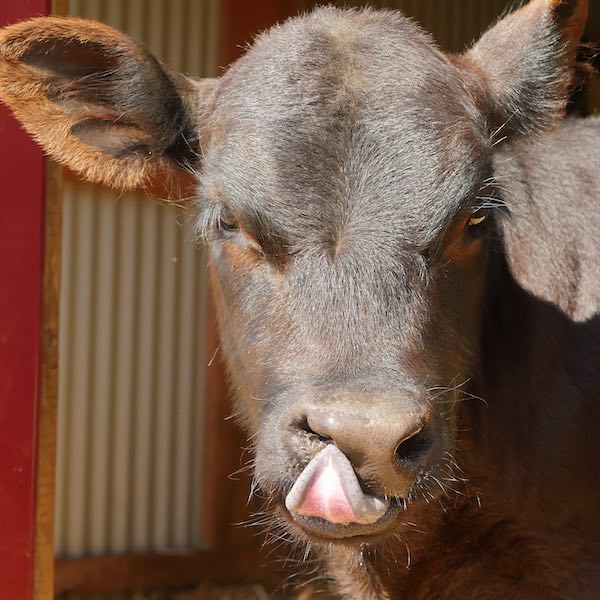
Duke’s story
The Heart’s Own Way of Seeing
Updated January 22, 2026
“I see [the world] feelingly …” —King Lear, Act 4, Scene 6
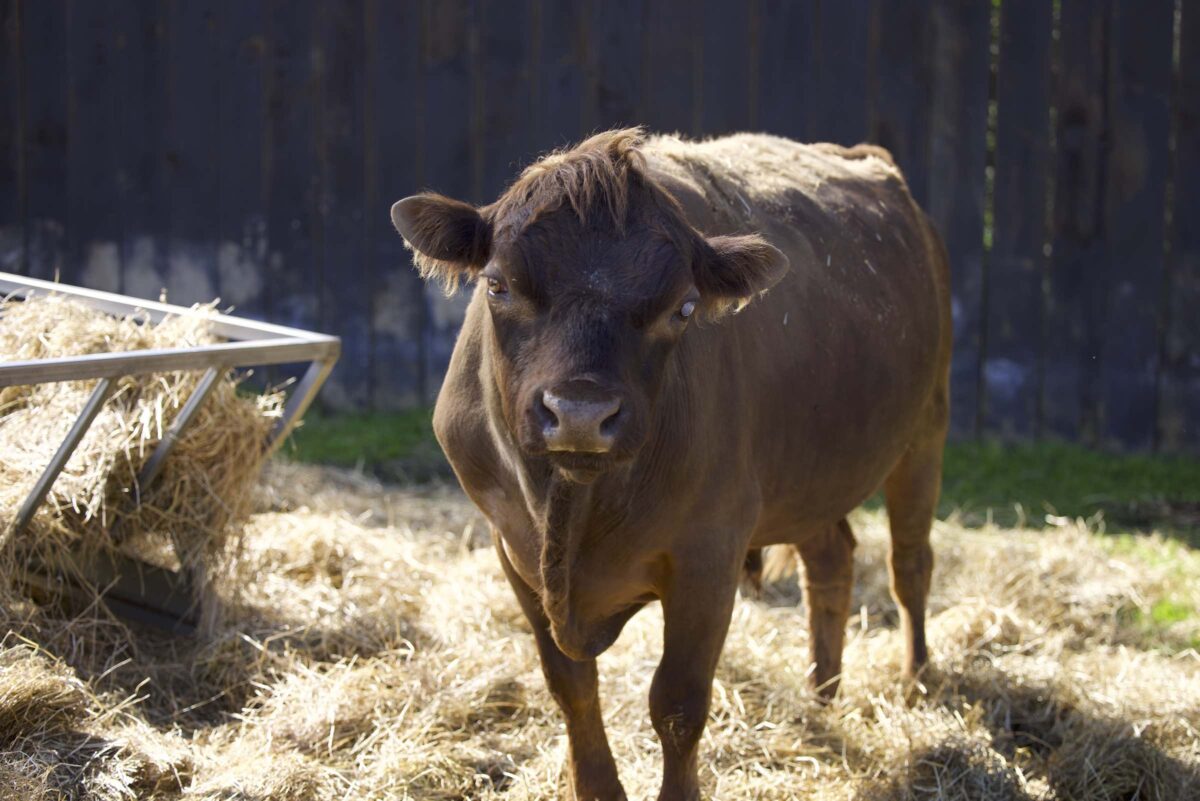
When a reportedly blind calf was recently surrendered into our care, our hearts fluttered—for him, for his mumma left behind and for all the stories the world rarely pauses long enough to hear. For a little bull calf like this dear soul, the separation that took him from his mother may well have been the greatest lifeline he could ever find.
For he is an Angus, a “beef breed”, as the world so clinically reduces him. Yet his human, to their immense credit, could not let this gentle fellow slip silently from the world without a fighting chance.
And so, in honour of Shakespeare’s words and the noble heart they echo, we named him The Duke of Gloucester.
Although his eyes did not see as ours do, this little Duke saw the world feelingly. And in doing so, he invited us, gently and persuasively, to do the same.
Affectionately known as Dukey, he was a little slow to find his hooves. Those early days had us worried, especially when he would lie flat in the sun until his temperature soared—and ours did too. Perhaps a touch of oxygen deprivation shaped his challenges, or perhaps fate had simply dealt him a different way of perceiving the world.
He is bright, buoyant and blissfully adorable, living life in two perfect paces: go and whoa
But as the days passed, our Dukey revealed his vision was not completely gone at all, only clouded by circumstance. In safety, comfort and kindness, we began to notice small signs. A turn of his head. A delicate step around the gate. A new confidence in the way he navigated space. Little by little, it became clear he could see far more than we first believed.
Yet even so, he teaches us that sight is only one way to navigate a world full of wonder.
And truthfully, it took him mere seconds to find our hearts—no compass needed.
He is bright, buoyant and blissfully adorable, living life in two perfect paces: go and whoa. And oh, how he revels in the go. Gambolling up and down the barn with the glee of a being newly discovering joy, skipping ahead on his way to the yard, he carries a spirit that refuses to dim.
And just the hint of that big green bottle, the one filled with “the good white stuff”, has him at our side in an instant, proof that memory and anticipation bloom strongly in him.
Today, he spends his days exploring green grassy fields with his new bestest buddies, Ace and Spirit, three young lads bound tightly by circumstance, resilience and beginnings rewritten in kindness.
Our hearts swell watching Dukey’s journey, from a poorly-doing calf to a strapping, spirited youngster with a life of adventure and friendship-filled tomorrows stretching before him.
And so our dear Duke of Gloucester reminds us that feeling is its own form of seeing. That empathy is a kind of vision and that those who glance at animals like him and fail to notice their rich, emotional worlds may not be sighted after all, but merely conveniently blind.
Dearest Dukey, may you continue to guide us all to see the world feelingly.