Your cart (0)
Edgar’s Mission Passport
Flora (RIP)
Flora
28 February 2026
Chicken
Jane Goodall
My new home
Always show kindness to the meek
Certified true likeness

Flora’s story
48 Hours of Kindness & the Hidden Cost of a Backyard Egg
Updated March 22, 2026
Was 48 hours enough? We’ll never know. And that is something we will have to live with, because some things never leave you. This is the story of one of them.
Flora came into our lives mid-afternoon on Saturday. And come Monday, she had left them. Yet what happened in between mattered so incredibly much that words will never quite convey who Flora was, or what she came to mean to us.
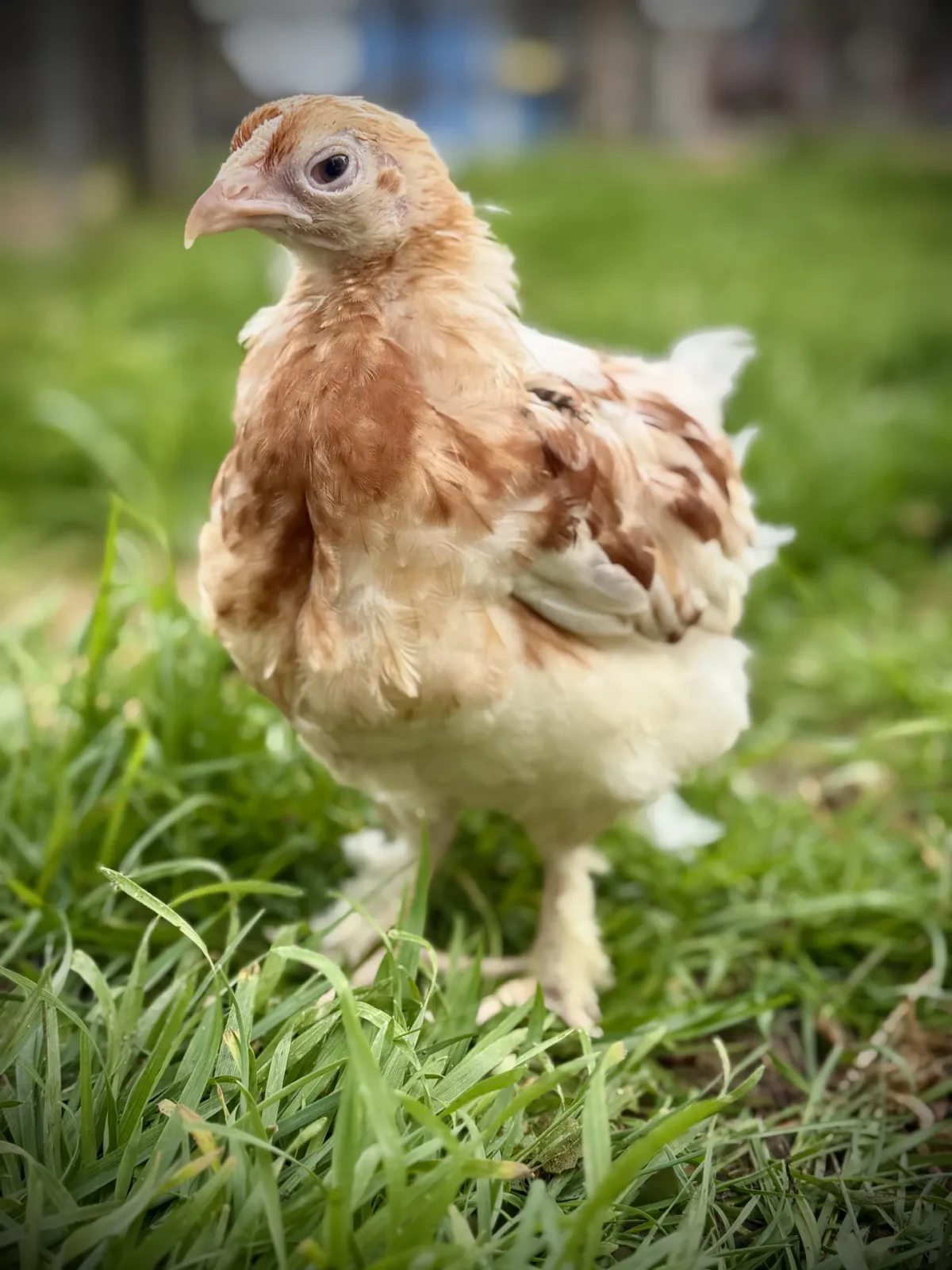
Flora was an ISA Brown hen who had once been a part of a backyard flock. And with the rising popularity of backyard hens, there is nothing unusual about that. On the surface it seems like a simple, wholesome thing; a few hens scratching in the garden and eggs dutifully collected each morning.
But sometimes, when you scratch a little deeper, you find that not everything is quite what it seems.
Though Flora survived the fox attack that claimed the lives of her friends, she could not escape something far less visual—the genetics written into her body.
A story all too few know about.
You see, ISA Browns are gentle birds bred for one commercial purpose—to produce an extraordinary number of eggs. But that productivity comes at a hidden cost. The very biology that makes them such prolific layers also leaves them vulnerable to reproductive diseases, cancer and other serious health problems.
A long life for these plucky little beings is as rare as hen’s teeth.
It is a cost most people never see when they collect a warm egg from the nest box or pick up a carton at the supermarket. The ultimate price sits quietly ticking inside the bodies of the hapless hens themselves.
Our hearts sank when we realised the mass inside her was the result of a severe condition known as salpingitis
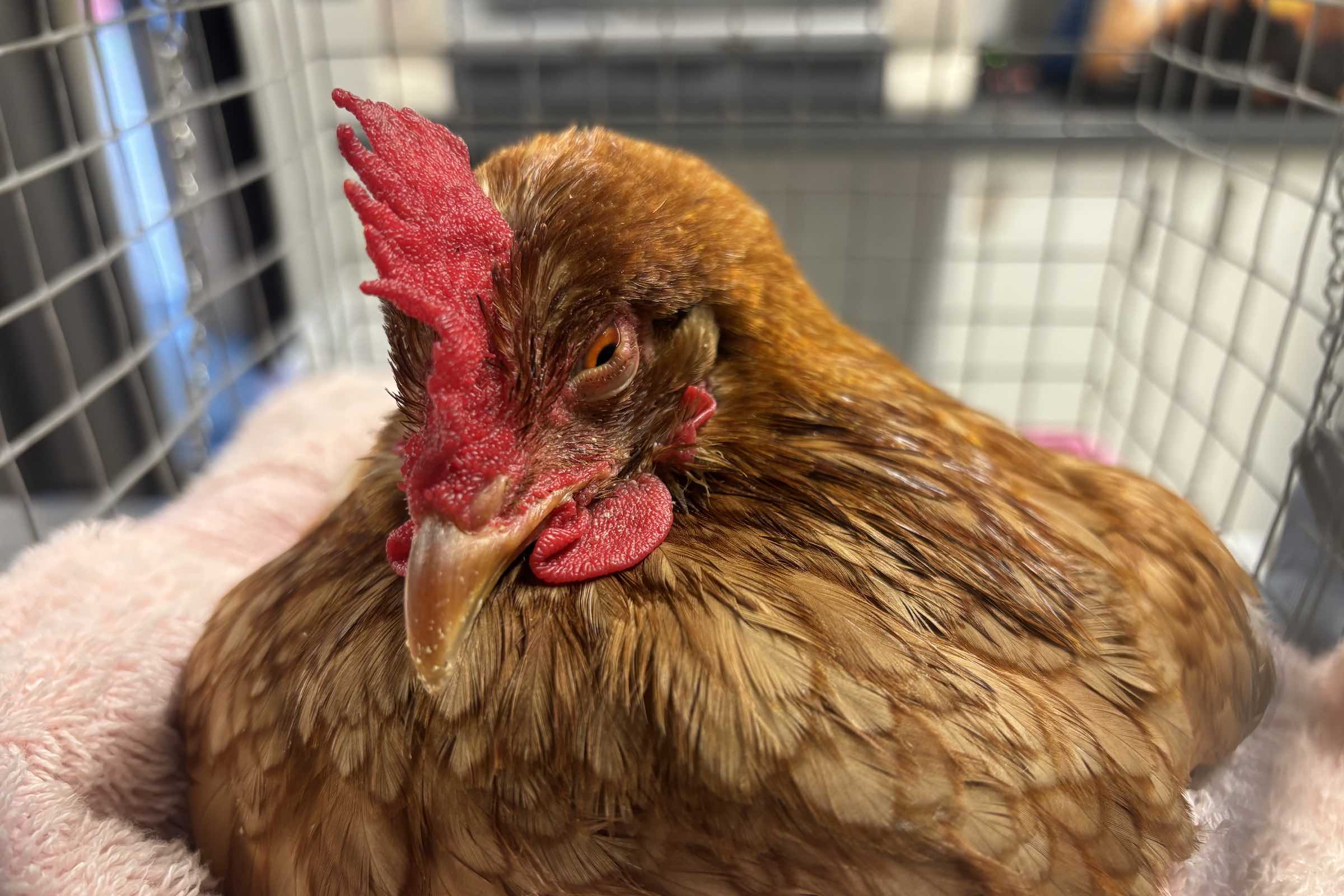
When Flora arrived, she could not even stand. A heavy, solid mass in her abdomen was more than even her determined spirit could carry. She was riddled with lice who seemed to multiply quicker than we could rid her of them and her will to eat had long faded. Something made painfully clear by the sharp ridge of her keel bone hidden beneath her feathers.
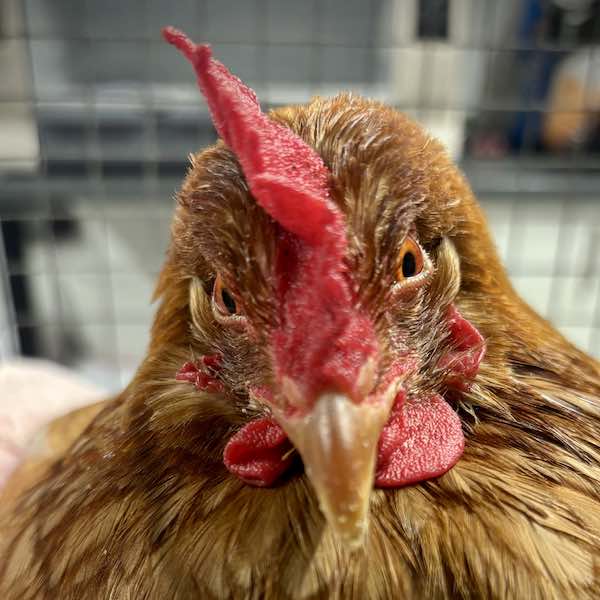
Yet even then, her beauty had not left her.
Our hearts sank when we realised the mass inside her was the result of a severe condition known as salpingitis. The swelling we could feel was made up of multiple solidified lash eggs*, a devastating complication of reproductive disease. With her body too weak for surgery, our only humane option was to give Flora the ultimate gift—peace.
As we sat with our sorrow, we found ourselves thinking not only of Flora, but of all the ISA Brown hens whose lives unfold in backyards everywhere. From the outside Flora looked vibrant enough, a bright red comb and rich chestnut feathers. But beneath it all lay the true cost of eggs.
A cost most people never realise they are asking hens to pay.
Flora is such a fitting name for this gentle bird. In Latin it speaks of flowers, of life and growth and of beauty and vitality. All things we had hoped might find Flora in this lifetime.
But instead, her name has become a tribute to her spirit and the grace that never left her.
Dearest Flora, we did not know you for very long. But we trust you knew we were trying to help you, and even in your most fragile moments one thing never left you.
Your beauty.
And one thing that will never leave us is the story you left behind.
*Lash eggs are abnormal eggs that contain a thick fleshy mass of necrotic tissue, pus and other debris. They resemble a scrambled egg inside the shell.